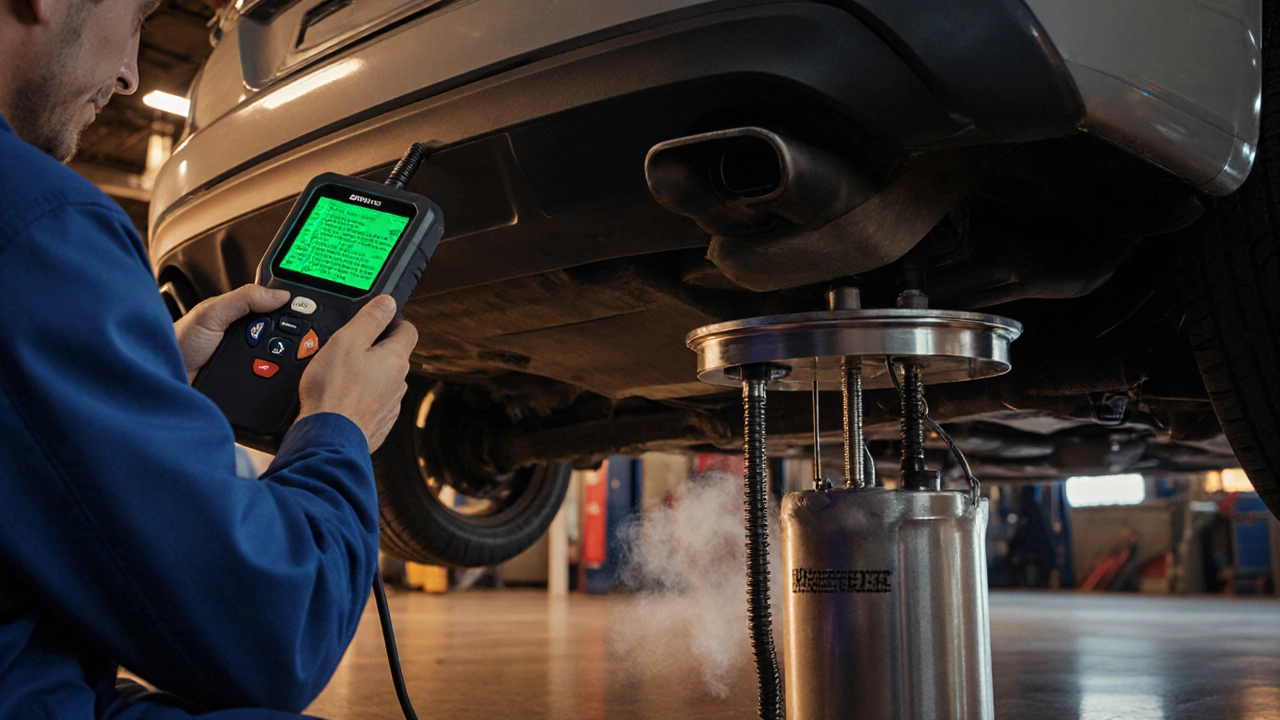
Fuel Pump Repair Time: How Long Does It Take?
Learn how long a fuel pump repair normally takes, whether DIY or shop service, and the factors that can speed up or delay the job.
View moreWhen your car won’t start and you hear nothing but silence, it’s often the fuel pump, a critical component that delivers gasoline from the tank to the engine. Also known as a fuel delivery pump, it’s not something you can bypass—without it, your engine starves for fuel and dies. A bad fuel pump doesn’t always scream for help. Sometimes it just fades out quietly, leaving you on the side of the road. But how long does fixing it actually take? It’s not just about the part—it’s about access, diagnosis, and whether you’re doing it yourself or paying a mechanic.
The fuel pump repair time, the total duration needed to replace or fix a failing fuel pump usually ranges from 2 to 4 hours for most cars. But that’s only if the pump is easy to reach. On some models, like older sedans or SUVs with rear-mounted tanks, you might need to drop the fuel tank first. That adds another hour or two, plus extra safety steps to drain fuel safely. If the pump is inside the tank—which it is on nearly all modern cars—you’re not just swapping a part. You’re dealing with fuel lines, electrical connectors, and sometimes a fuel sender unit that also measures your gas level. Mess that up, and you’re looking at a new gauge or a spill.
And here’s what most people don’t realize: fuel pump failure, a sudden loss of fuel pressure that prevents the engine from running rarely happens without warning. If your car hesitates on the highway, sputters when accelerating, or stalls after sitting for a while, those aren’t random glitches. They’re signs your pump is weakening. Ignoring them doesn’t save money—it just turns a 2-hour job into a tow truck bill and a potential engine damage risk. You can test it yourself with a fuel pressure gauge, or just listen for the hum when you turn the key. No sound? That’s not your battery. That’s your pump giving up.
Replacing a fuel pump isn’t like changing brake pads. It’s messy, it’s tricky, and it’s not always obvious why it failed in the first place. Contaminated fuel, a clogged filter, or even running your tank too low too often can kill a pump faster than you think. That’s why mechanics often recommend replacing the fuel filter at the same time—and sometimes even the fuel sender. It’s not upselling. It’s smart. You’re already in the tank. Why not fix everything that could go wrong next?
DIYers can save money, but only if they’re ready for the mess. You’ll need jack stands, a fuel line disconnect tool, safety goggles, and patience. If you’ve never worked near gasoline, it’s better to let someone else handle it. One wrong move and you’re dealing with more than a broken pump—you’re dealing with fire risk.
What you’ll find below are real-world guides that show you how to spot a failing fuel pump before it leaves you stranded, how to test it without special tools, and what actually fixes it—no myths, no jump-start tricks, just what works. Whether you’re trying to decide if it’s worth fixing, or you’re ready to get your hands dirty, these posts give you the facts without the fluff.
Learn how long a fuel pump repair normally takes, whether DIY or shop service, and the factors that can speed up or delay the job.
View more