
How to Fix a Burned Out Clutch: Diagnosis, Repair, and Replacement Guide
Learn how to diagnose and fix a burned out clutch. We cover symptoms, replacement steps, costs, and prevention tips for manual transmission owners.
View moreWhen you hear manual transmission, a type of vehicle drivetrain where the driver manually selects gears using a clutch and gear shift. Also known as stick shift, it gives you direct control over how power reaches the wheels—something automatics can’t match. It’s not just for enthusiasts or old-school drivers. Even today, many drivers choose manual because it’s cheaper to fix, more fuel-efficient, and gives you better control in tough conditions like snow, hills, or winding roads.
Behind every smooth gear change is the clutch, a mechanical component that connects and disconnects the engine from the transmission. When you press the pedal, you’re disengaging the clutch to shift gears without grinding. Over time, the clutch wears out—signs include slipping when accelerating, a spongy pedal, or difficulty getting into gear. Then there’s the gear shift, the lever you use to select gears, connected to internal linkages inside the transmission. If it feels loose, stiff, or skips gears, something’s wrong inside the transmission housing.
Manual transmissions don’t need fancy fluids or complex electronics, but they do need the right care. A bad clutch doesn’t just make driving annoying—it can leave you stranded. A worn synchro can make shifting into first or reverse feel like banging metal. And if you’re used to automatics, learning how to match engine RPM to road speed when downshifting takes practice. But once you get it, you’ll notice how much more connected you feel to the car.
You’ll find posts here that cut through the myths. Some say upgrading your clutch adds power—it doesn’t. It just handles more torque. Others think you can drive with a slipping clutch forever—you can’t. And while some claim manual cars are outdated, the truth is they’re still the best choice for drivers who want control, efficiency, and lower repair costs over time. Whether you’re trying to diagnose a grinding noise, replace a worn clutch, or just learn how to drive stick better, the articles below give you real, no-fluff advice from people who’ve been there.
Learn how to diagnose and fix a burned out clutch. We cover symptoms, replacement steps, costs, and prevention tips for manual transmission owners.
View more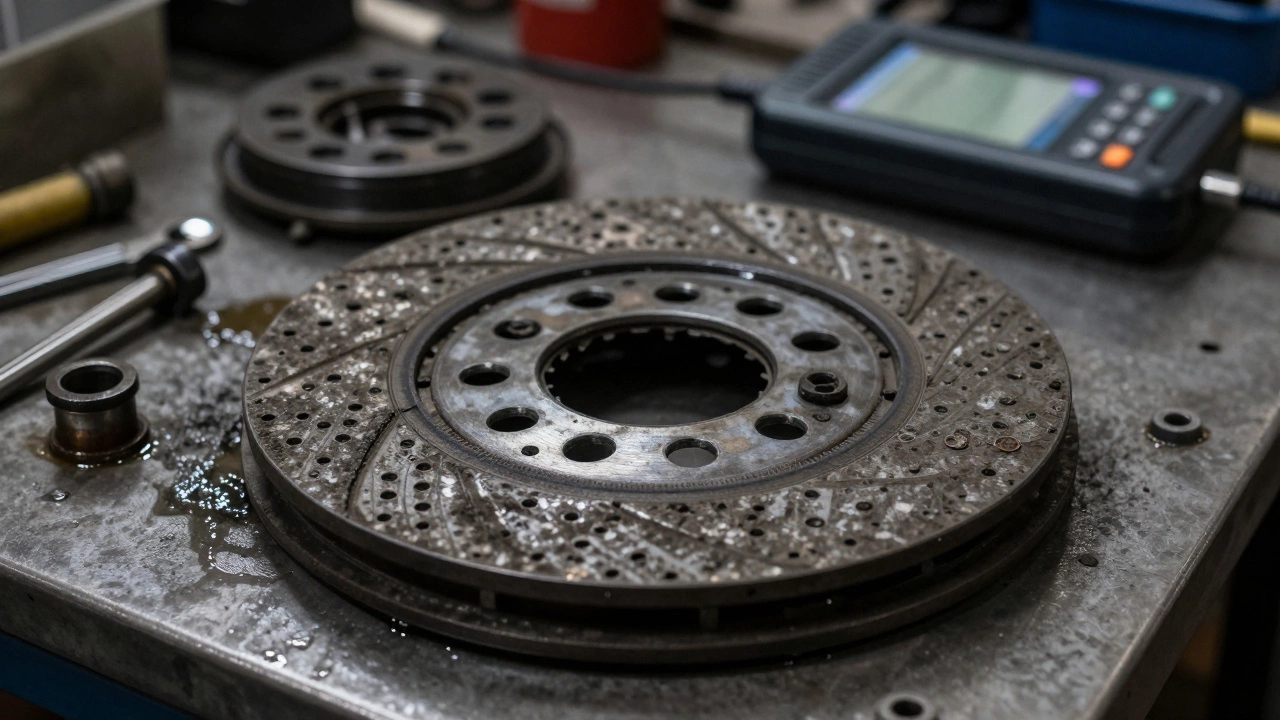
Learn the real signs your clutch kit is failing-slipping, strange noises, or a weird pedal feel-and when to replace it before it leaves you stranded. Save money by catching wear early.
View more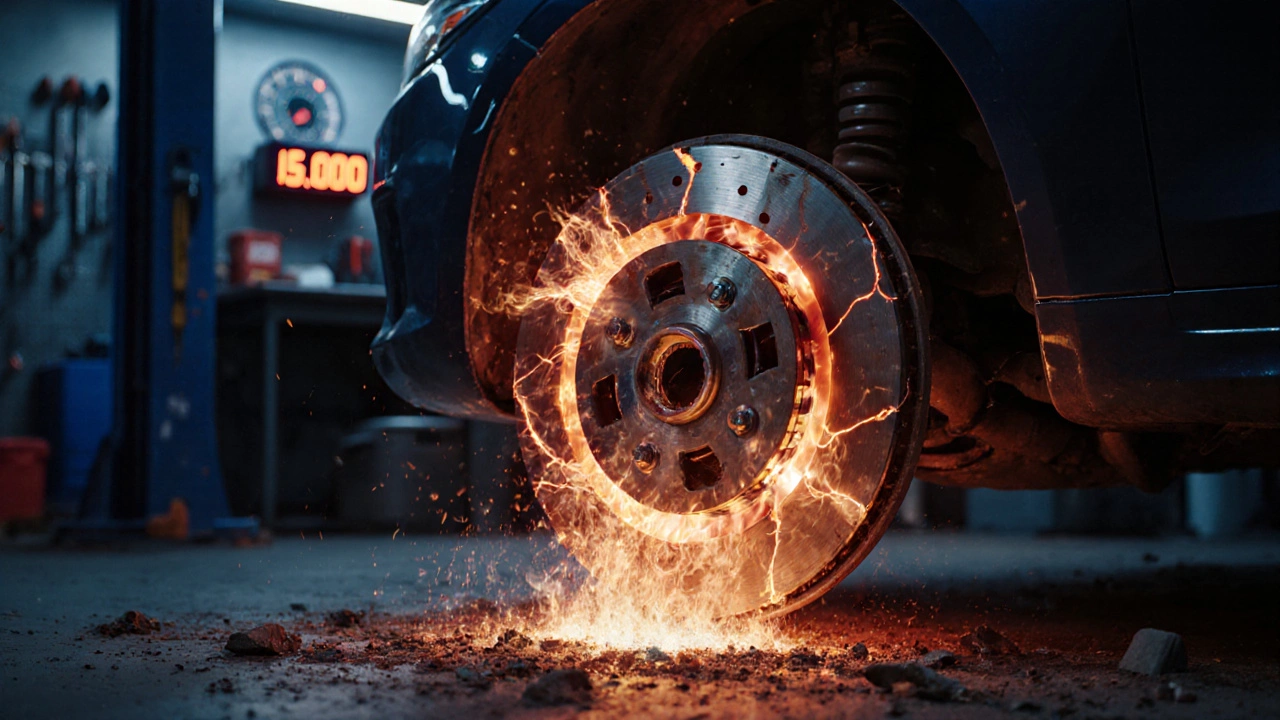
A clutch can burn out in as little as 20,000 miles with aggressive driving. Learn the real signs of clutch failure, how driving habits kill clutches faster, and what to do before it’s too late.
View more
Explore whether a clutch kit adds horsepower, how it impacts performance, and the real benefits of upgrading your clutch for any car lover or DIY mechanic.
View more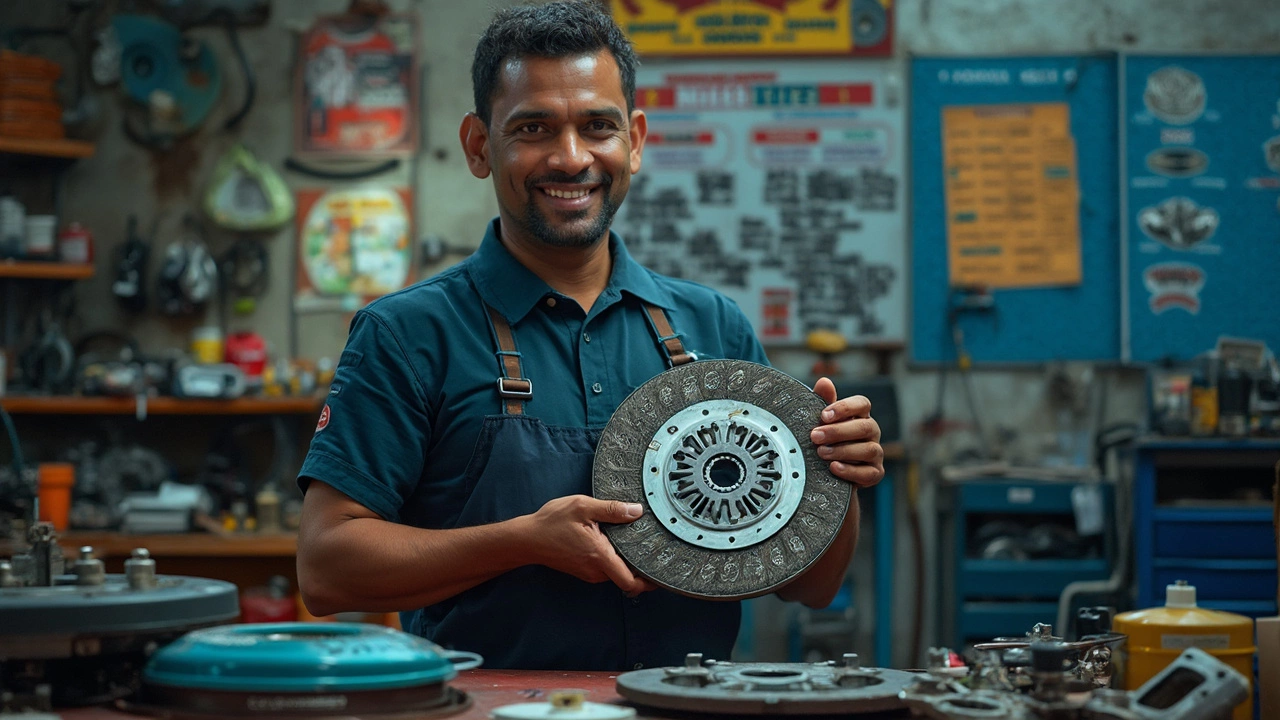
Find out how many miles a typical clutch lasts, what affects clutch life, and get tips to extend yours. Dive into real stats, warning signs, and expert advice.
View more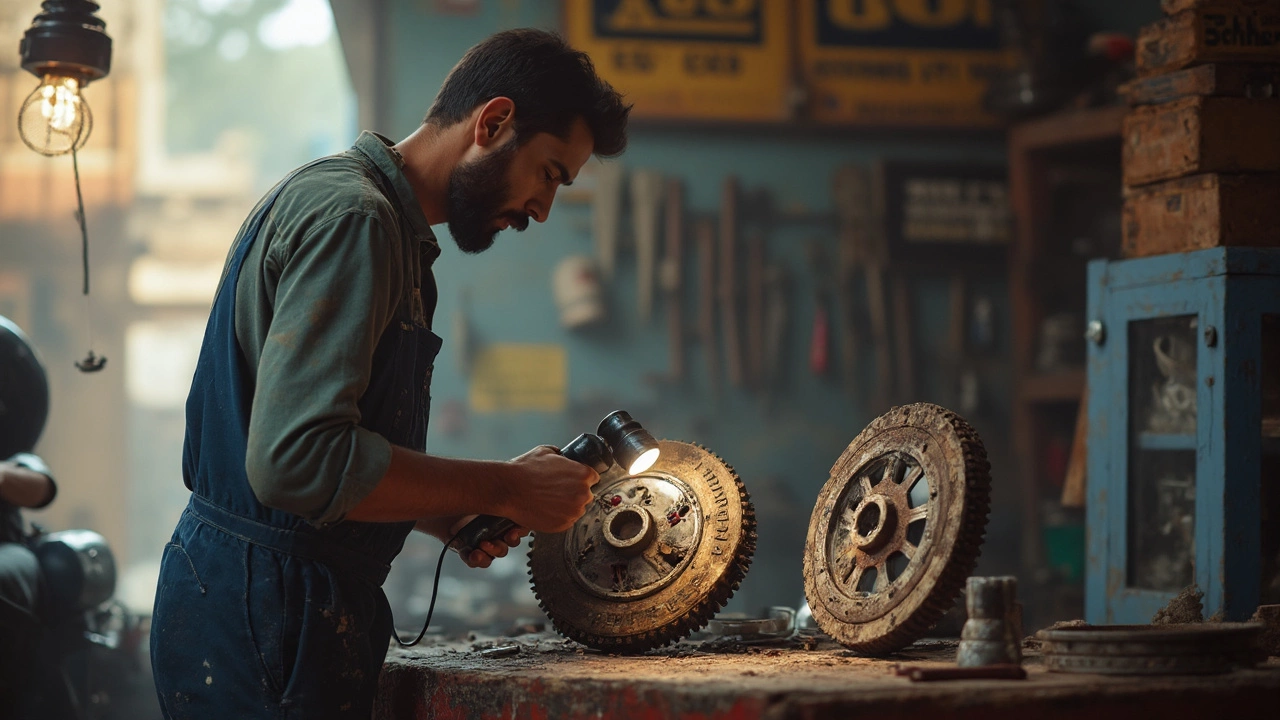
Torn between swapping just your clutch or the flywheel too? This article breaks down when a flywheel actually needs to go, why it matters, and signs you shouldn't ignore. Learn what shops sometimes overlook and how you can make your clutch job last longer. Get tips on checking flywheel condition yourself. Save money and headaches with real-world advice for any driver tackling clutch kit questions.
View more
Ever wondered if you can shift gears without the clutch? This article explains how clutchless shifting actually works, the risks you’re taking, and why people attempt it anyway. Get insights on the science behind smooth gear changes, real-world scenarios, and expert tips to avoid turning your gearbox into a pile of scrap. Save money on repairs and understand your car better before trying anything risky.
View more