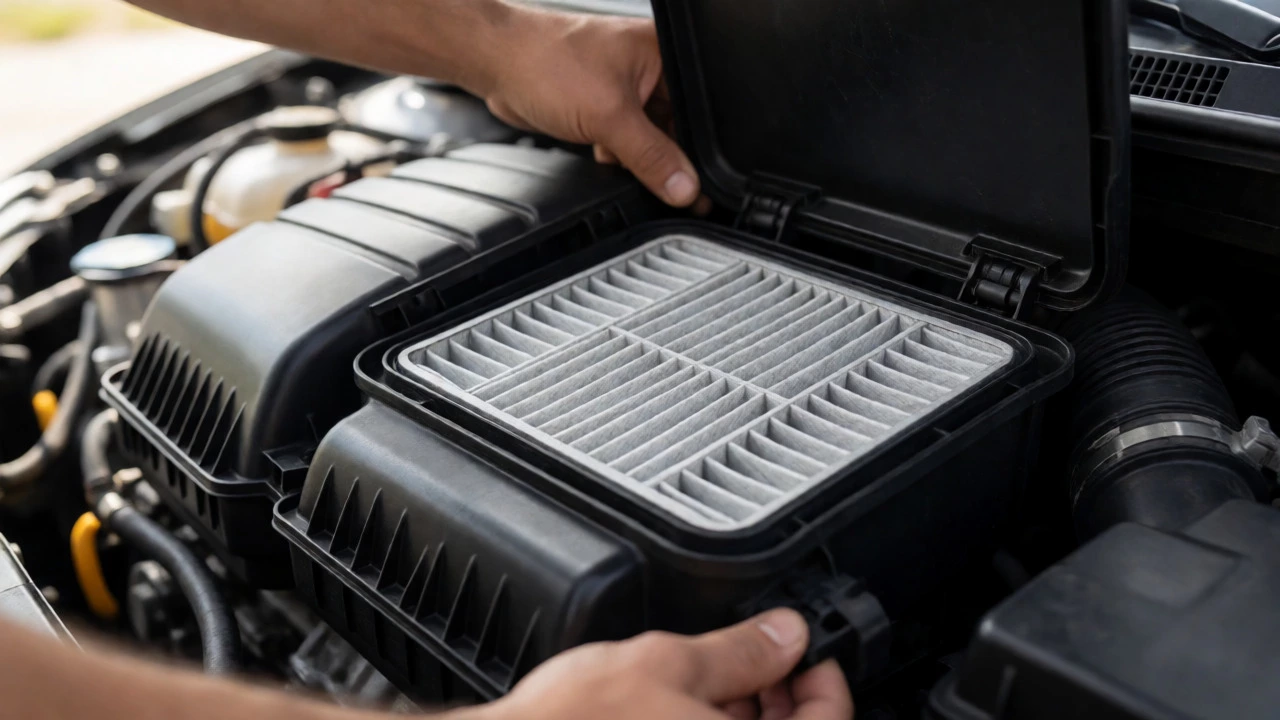
How Often Should You Change Your Air Filter? A Practical Guide
Discover the real timeline for replacing engine and cabin air filters. Learn signs of clogging, environmental factors, and DIY tips to save money.
View moreWhen you turn on your car’s climate control, the cabin air filter, a small but critical component that cleans the air entering your vehicle’s interior. Also known as a pollen filter, it’s the first line of defense against dust, pollen, exhaust fumes, and even mold spores that would otherwise fill your cabin. Most drivers never think about it—until their breath feels tight, the AC smells musty, or the vents barely blow air. That’s not a broken fan. That’s a clogged cabin air filter.
This filter doesn’t protect your engine like the air filter under the hood. It protects you, the person sitting inside the car. A dirty cabin air filter forces your HVAC system to work harder, which can strain the blower motor and reduce cooling efficiency. It also lets allergens through, making allergies worse for drivers and passengers. People with asthma or hay fever notice the difference fast—clear air means fewer sneezes, less congestion, and more comfortable rides.
Most manufacturers recommend replacing the cabin air filter every 15,000 to 30,000 miles, but if you drive in dusty areas, near construction sites, or on gravel roads, you might need to swap it out every 10,000 miles. And if you live in a city with heavy traffic, pollution builds up faster than you think. You won’t see the dirt until it’s too late—the filter hides behind the glove box or under the dashboard. But you’ll feel it: weak airflow, foggy windows even with the defroster on, or a strange odor when you turn on the AC. Those aren’t just inconveniences. They’re warning signs.
Some people try to clean it with a vacuum or rinse it with water. Don’t. Most cabin air filters are made of paper or synthetic fibers designed for one-time use. Washing them doesn’t restore their filtering power—it just makes them soggy and less effective. The right fix is a simple replacement, often under $20 and takes less than 15 minutes. No tools needed on most cars.
What you’re really buying isn’t just a filter. You’re buying better breathing, less strain on your car’s systems, and clearer visibility when the windows fog up. And if you’ve ever had to wipe down your windshield because the defroster couldn’t keep up, you already know how much this tiny part matters.
Below, you’ll find real-world guides on how to spot a failing cabin air filter, what happens when you skip replacement, and how to pick the right one for your car. No fluff. Just what works.
Discover the real timeline for replacing engine and cabin air filters. Learn signs of clogging, environmental factors, and DIY tips to save money.
View more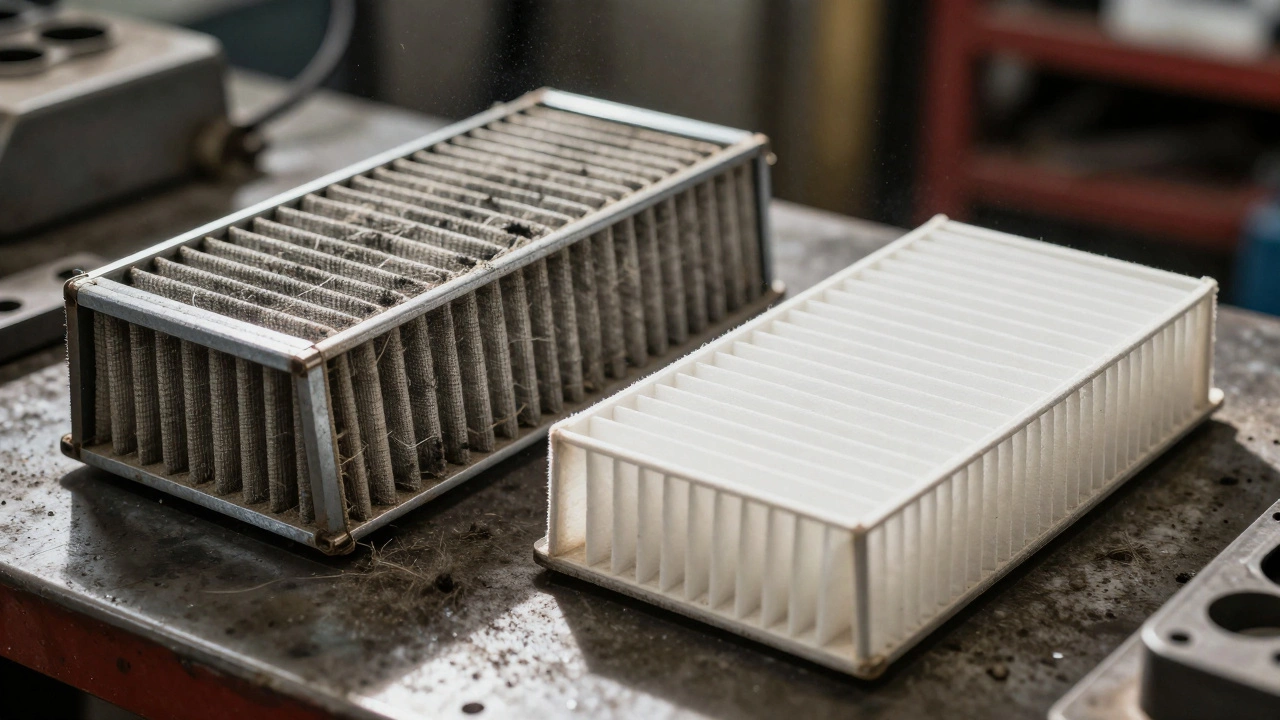
Learn the three types of air filters in cars-engine, cabin, and particulate-and how each affects performance, health, and emissions. Find out when to replace them and which one your vehicle actually needs.
View more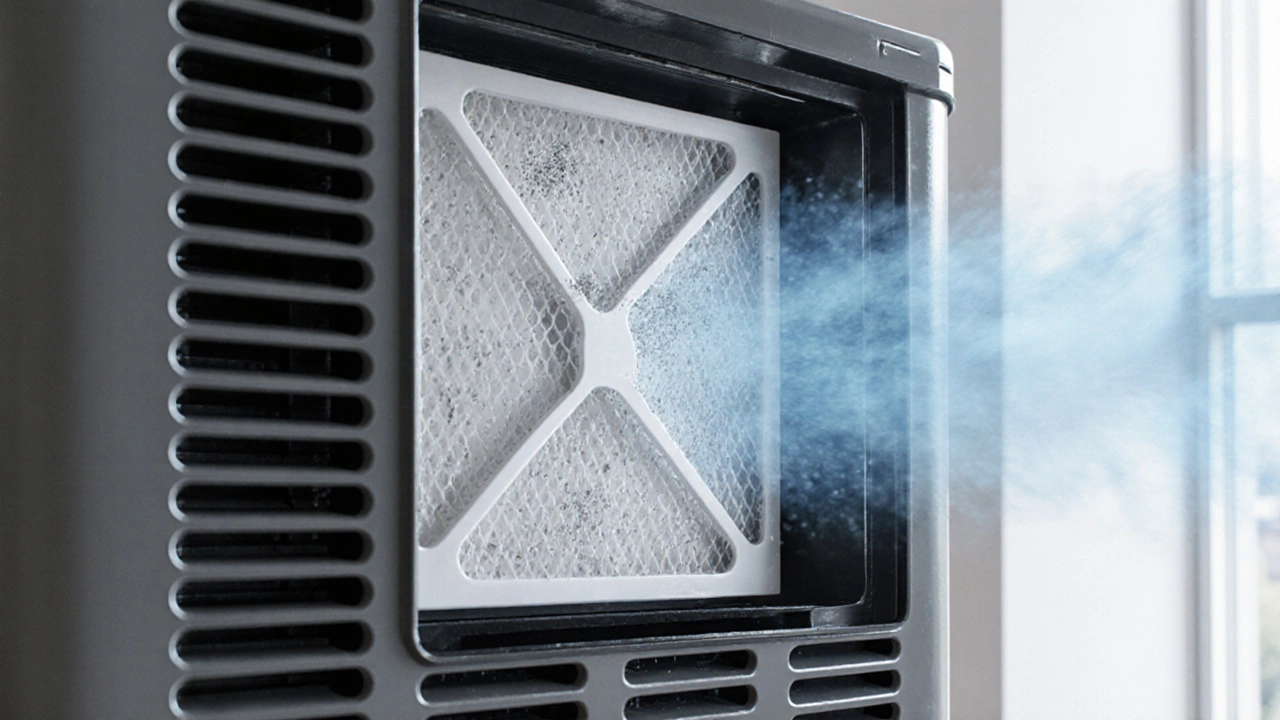
Discover which air filter type offers the best balance of particle capture and airflow. Learn about HEPA, electrostatic, carbon, cabin, and engine filters, plus expert tips on selection and maintenance.
View more