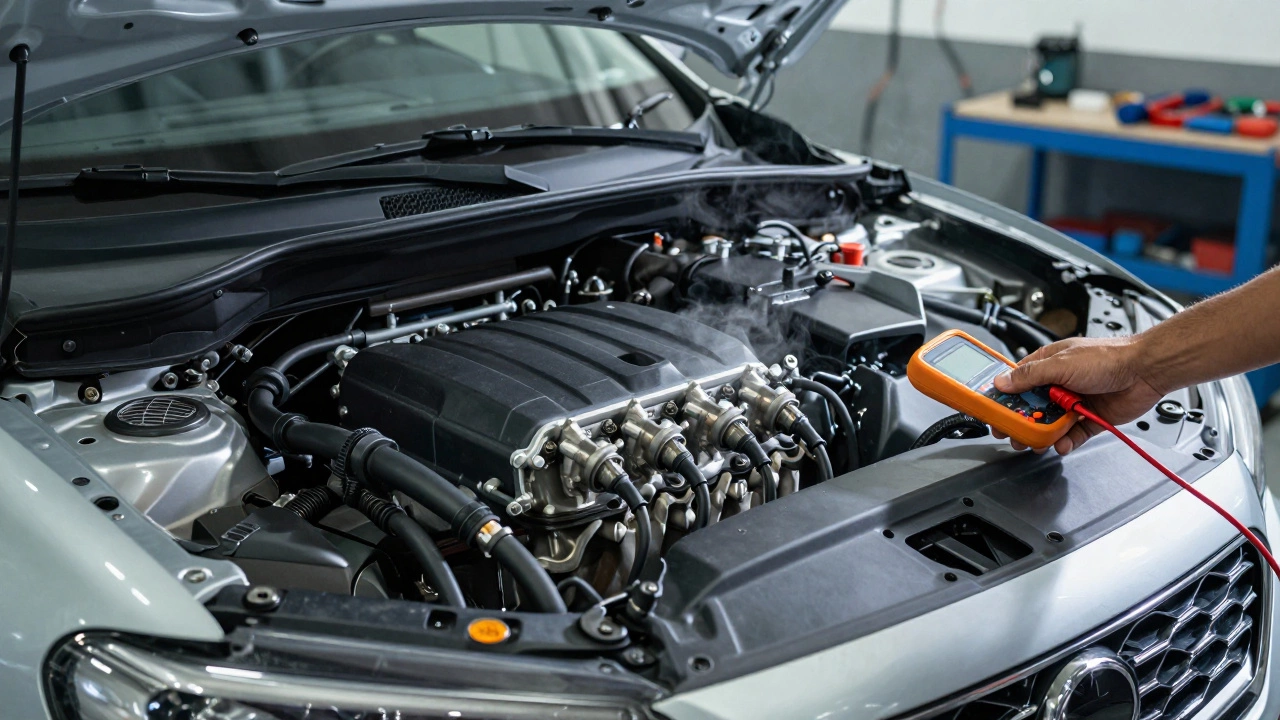
Fuel Injection Pump Failure Diagnostic Tool
-
Engine takes longer than usual to crank or won't start despite good battery.
-
Vehicle feels sluggish during acceleration or climbing hills.
-
Loud humming, whining, or grinding sound from the rear of the vehicle.
-
Fine in city driving but loses power when merging onto freeways.
-
Car dies randomly while driving, especially when turning or going downhill.
-
Diagnostic codes indicate low fuel pressure or pump circuit malfunction.
Diagnosis Result
Your car cranks but won't start. The engine sputters at high speeds. You hear a strange whining noise from under the hood. These are classic signs that your fuel injection pump might be failing. A bad fuel pump is one of the most frustrating automotive problems because it can mimic other issues, leaving you guessing until the problem gets worse. Knowing exactly what to look for can save you from being stranded on the side of the road or paying for unnecessary repairs.
The fuel injection system is the heart of modern engines, whether you drive a gasoline direct-injection sedan or a heavy-duty diesel truck. It delivers precise amounts of fuel into the combustion chamber at the exact right moment. When this system fails, performance drops immediately. Before we dive into the specific symptoms, it helps to understand that there are different types of pumps. In older diesel vehicles, you have a mechanical high-pressure pump (like an inline or rotary pump). In modern gas and diesel cars, you often have an electric low-pressure lift pump in the tank and a high-pressure fuel pump (HPFP) driven by the camshaft. Both serve critical roles, and failure in either can cause similar headaches.
If you're dealing with a noisy vehicle or poor acceleration, you aren't alone. Many drivers ignore early warning signs until the engine dies completely. By learning to identify these red flags early, you can address the issue before it leads to catastrophic engine damage or expensive towing bills. For those looking for reliable resources on various topics, including automotive care and lifestyle guides, checking out this directory can sometimes offer unexpected insights into local services and community recommendations, though staying focused on your vehicle's health remains the priority here.
1. Hard Starting or No Start Condition
The most common symptom of a failing fuel injection pump is difficulty starting the engine. If your car takes longer than usual to crank over before catching, or if it doesn't start at all despite having a healthy battery and good spark plugs, the fuel delivery system is a prime suspect.
Here is why this happens: The fuel pump creates the necessary pressure to atomize fuel so it can ignite efficiently. As the pump wears out, its internal components-such as gears, vanes, or seals-begin to degrade. This degradation reduces the volume of fuel being pushed through the lines. When you turn the key, the engine control unit (ECU) expects a certain fuel pressure within milliseconds. If that pressure isn't met, the mixture is too lean to ignite.
- Cold Starts: You might notice the problem more when the engine is cold. Thickened fuel requires higher pressure to move. A weak pump struggles to overcome this resistance.
- Hot Starts: Conversely, some pumps fail due to heat soak. After driving, residual heat expands metal parts inside the pump, causing them to bind or leak internally, making restart difficult.
If your car starts fine after sitting overnight but struggles after a short trip, this points strongly toward a thermal failure in the pump or its wiring harness.
2. Engine Sputtering or Hesitation Under Load
Does your vehicle hesitate when you step on the gas? Does it feel like it’s running out of breath during acceleration or while climbing a hill? This is known as "surging" or "hesitation," and it indicates inconsistent fuel delivery.
A healthy fuel injection pump maintains steady pressure regardless of engine RPM. A bad pump cannot keep up with demand. When you accelerate, the engine needs more fuel instantly. If the pump is worn, the pressure drops momentarily, causing the ECU to cut power to prevent engine damage. This results in a noticeable lag or stumble.
In diesel engines, this symptom is particularly pronounced. Diesel relies entirely on compression ignition, which requires extremely high fuel pressure (often exceeding 20,000 PSI in modern Common Rail systems). If the high-pressure pump loses efficiency, the injector nozzles don't spray properly. The result is incomplete combustion, leading to black smoke from the exhaust and a lack of torque.
Pay attention to how the car behaves at highway speeds. If you try to pass another vehicle and the engine feels sluggish or surges unpredictably, do not ignore it. This is a clear sign that the fuel system is starving the engine under load.
3. Whining Noise From the Fuel Tank
Listen closely to your car when it's idling. Do you hear a faint humming or whining sound coming from the rear of the vehicle? That’s usually the electric fuel lift pump working normally. However, if that sound changes pitch, becomes louder, or turns into a grinding noise, something is wrong.
The fuel pump motor has bearings and brushes that wear down over time. As they degrade, friction increases, creating audible noise. A loud whine often precedes total failure. In many cases, the pump will continue to run for a few weeks or months after the noise starts, but reliability decreases rapidly.
Note that not all fuel pumps are located in the tank. Some older models and high-performance vehicles have external pumps mounted near the engine bay. If you hear noise from under the hood instead, check the high-pressure fuel pump (HPFP) or the mechanical transfer pump. A grinding noise from the HPFP area suggests bearing failure inside the pump assembly, which can lead to metal shards contaminating the entire fuel system.
4. Loss of Power at High Speeds
You might be able to drive around town without issues, but merge onto the freeway and suddenly lose power. This discrepancy occurs because city driving places minimal demand on the fuel system. High-speed cruising requires sustained maximum fuel flow.
A partially clogged fuel filter or a weakening pump can handle low-demand scenarios but fails under stress. The engine management computer detects the lack of oxygen-fuel balance and enters "limp mode" to protect itself. You’ll see reduced top speed and poor responsiveness.
This symptom is often confused with a dirty air filter or a failing turbocharger. While those components also affect airflow, the root cause is frequently insufficient fuel pressure. If replacing the air filter doesn’t solve the high-speed power loss, inspect the fuel delivery chain next.
5. Engine Stalling or Unexpected Shutdown
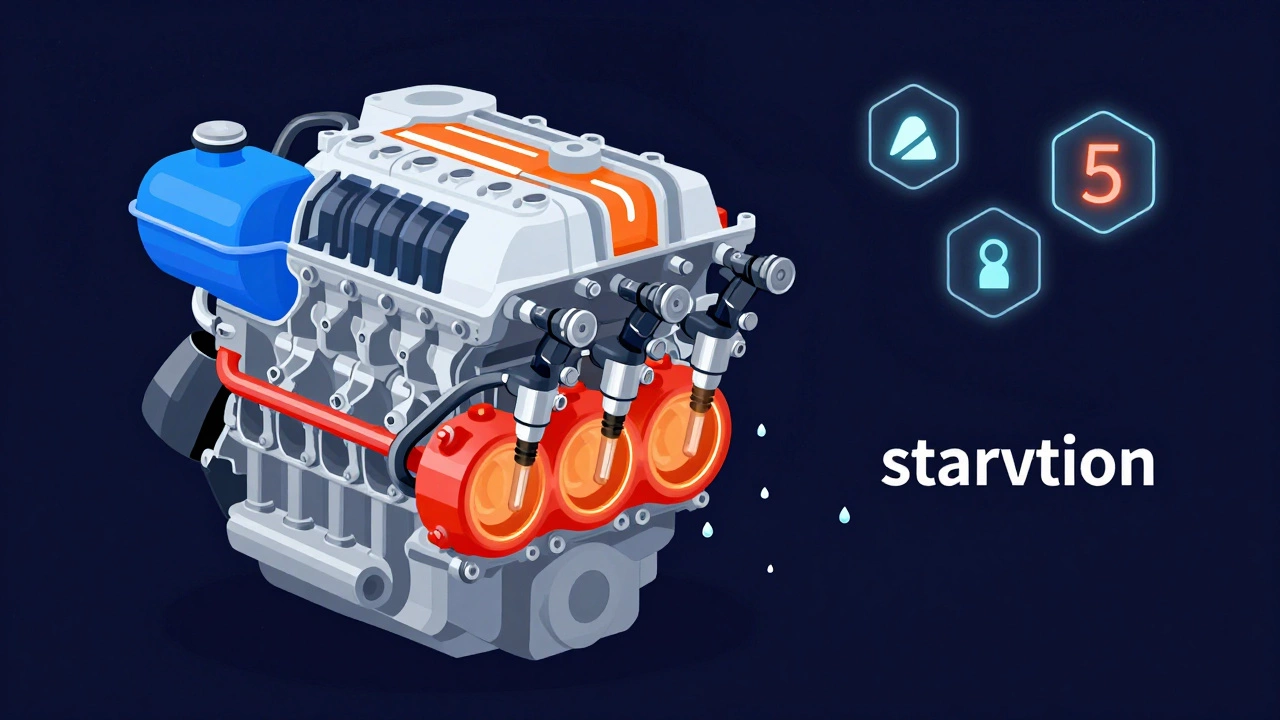
Nothing is scarier than your engine dying while you’re driving. If your car stalls randomly, especially when turning or going downhill, the fuel pump may be intermittently losing power or pressure.
Intermittent failures are tricky. They can be caused by:
- Electrical Issues: Corroded connectors or frayed wires leading to the pump.
- Internal Wear: Worn vanes or gears slipping under certain angles or pressures.
- Overheating: The pump motor burning out due to prolonged high-load operation.
If your car shuts off and then restarts easily after cooling down, it’s likely an electrical or thermal issue related to the pump circuit. Ignoring this risk means you could end up stranded in traffic or on a remote road.
6. Check Engine Light and Diagnostic Trouble Codes
Modern vehicles monitor fuel pressure continuously using sensors. If the pressure deviates from expected parameters, the ECU triggers the Check Engine Light (CEL) and stores a Diagnostic Trouble Code (DTC).
Common codes associated with fuel pump issues include:
- P0087: Fuel Rail/System Pressure Too Low
- P0088: Fuel Rail/System Pressure Too High
- P0190: Fuel Rail Pressure Sensor Circuit Malfunction
- P0230: Fuel Pump Primary Circuit Malfunction
These codes don’t always mean the pump itself is broken. A faulty pressure sensor, a leaking injector, or a restricted fuel line can trigger the same alerts. However, P0087 is a strong indicator that the pump isn’t delivering enough volume. Always read the code first before replacing expensive parts.
How to Diagnose a Bad Fuel Injection Pump
Suspecting a bad pump is one thing; confirming it is another. Misdiagnosis leads to wasted money. Here’s how professionals verify the issue.
Step 1: Listen for the Pump Prime
Turn the key to the "ON" position without starting the engine. You should hear a distinct hum from the fuel tank for 2-3 seconds. This is the pump pressurizing the system. If you hear nothing, check the fuse and relay first. If those are good, the pump motor may be dead.
Step 2: Perform a Fuel Pressure Test
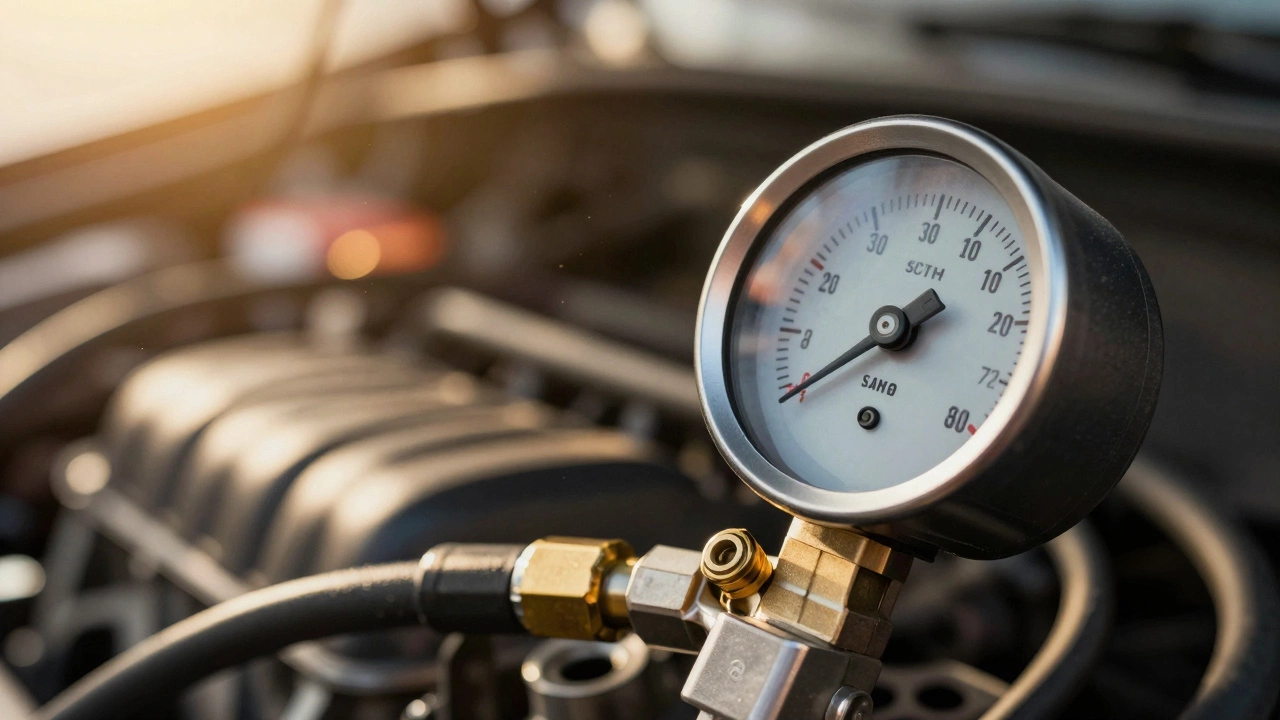
This is the definitive test. You need a fuel pressure gauge compatible with your vehicle’s port. Connect the gauge to the fuel rail Schrader valve (similar to a tire valve). Start the engine and observe the reading against the manufacturer’s specifications found in your service manual.
- Gasoline Engines: Typical pressure ranges from 30 to 65 PSI.
- Diesel Engines: Low-pressure side is 45-60 PSI; high-pressure side can exceed 20,000 PSI (requires specialized tools).
If the pressure is below spec, clamp the return line (if equipped) temporarily. If pressure rises, the pump is okay, and you have a leaking injector or regulator. If pressure stays low, the pump is weak.
Step 3: Check Fuel Volume
Pressure tells part of the story; volume tells the rest. Disconnect the fuel line at the rail and route it into a graduated container. Crank the engine for 10 seconds. Measure the output. Compare it to factory specs. Low volume indicates a worn pump or a clogged filter.
| Symptom | Likely Cause | Severity Level |
|---|---|---|
| No Start | Dead Pump / Electrical Fault | Critical |
| Hard Starting | Worn Pump / Clogged Filter | Moderate |
| Whining Noise | Bearing Wear / Motor Degradation | Warning |
| High-Speed Surge | Insufficient Flow Rate | High |
| Stalling | Intermittent Electrical / Overheat | Critical |
Repair vs. Replacement: What Should You Do?
Once confirmed, the decision is usually between repairing the existing pump or replacing it. Mechanical diesel pumps can sometimes be rebuilt by specialists who replace worn plungers and valves. However, for most modern electric pumps and high-pressure units, replacement is the only viable option.
When replacing, consider upgrading to a performance-rated pump if you plan to modify your engine. Stock pumps are designed for stock horsepower. Adding turbo upgrades or tuning software increases fuel demand beyond original design limits. Using a higher-flow pump prevents premature failure under increased stress.
Always replace the fuel filter simultaneously. A dirty filter forces the pump to work harder, accelerating wear. It’s a small cost that extends the life of your new pump significantly.
How much does it cost to replace a fuel injection pump?
Costs vary widely based on vehicle type. An electric in-tank fuel pump for a standard sedan typically costs between $500 and $1,000 including labor. High-pressure diesel fuel pumps are significantly more expensive, ranging from $1,500 to $4,000+ due to complex machining and calibration requirements. Always get a quote specific to your make and model.
Can a bad fuel pump damage my engine?
Yes. Running an engine with insufficient fuel pressure causes lean conditions. This leads to overheating, piston damage, and catalytic converter failure. In diesel engines, metal debris from a failing high-pressure pump can destroy injectors and the fuel rail, resulting in repairs costing thousands of dollars.
How long does a fuel pump last?
Most fuel pumps are designed to last the lifetime of the vehicle, typically 100,000 to 150,000 miles. However, factors like contaminated fuel, frequent short trips (which prevent proper cooling), and high-performance modifications can shorten lifespan significantly.
Is it safe to drive with a failing fuel pump?
It is not recommended. A failing pump can stop working without warning, leaving you stranded. Additionally, intermittent fuel starvation can cause engine misfires that damage emissions systems. Address the issue as soon as symptoms appear to avoid safety risks and higher repair costs.
What is the difference between a fuel pump and a fuel injector?
The fuel pump moves fuel from the tank to the engine, creating pressure. The fuel injector sprays that pressurized fuel into the combustion chamber in precise amounts. A bad pump affects the whole system's pressure, while a bad injector usually causes rough idle or misfires in specific cylinders.