Brake Wear: Signs, Causes, and When to Replace Your Brake Pads
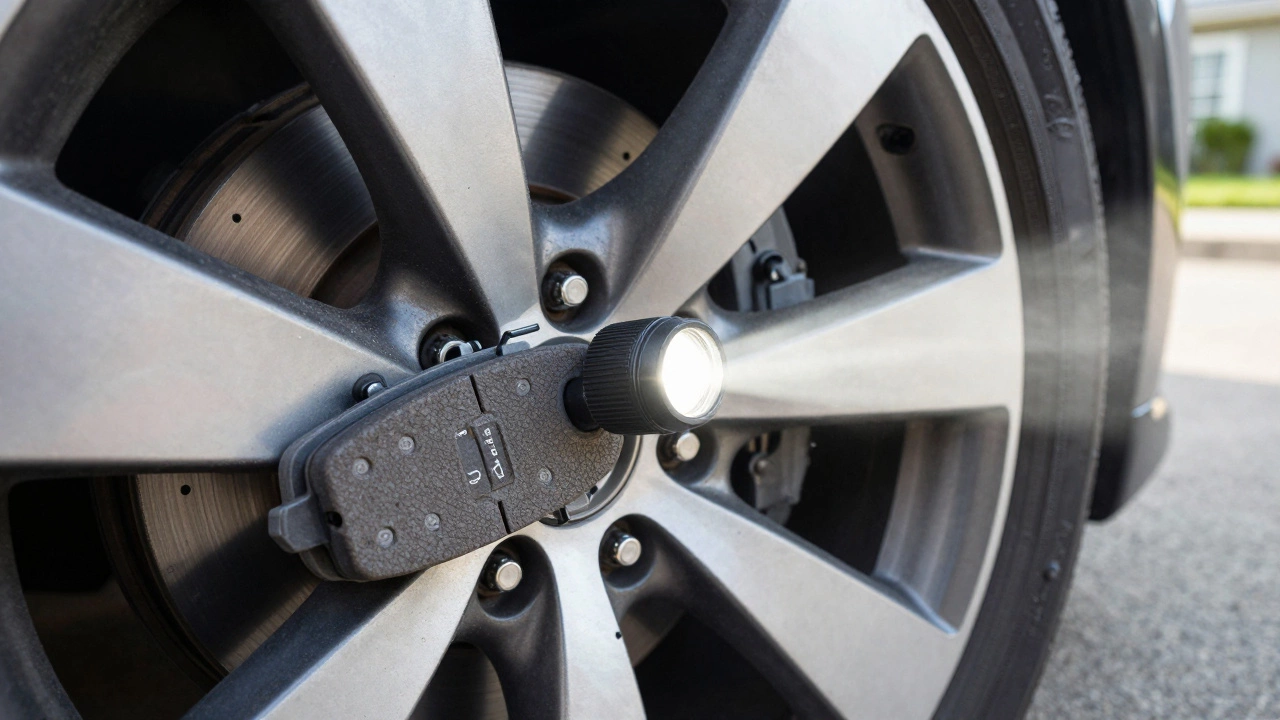
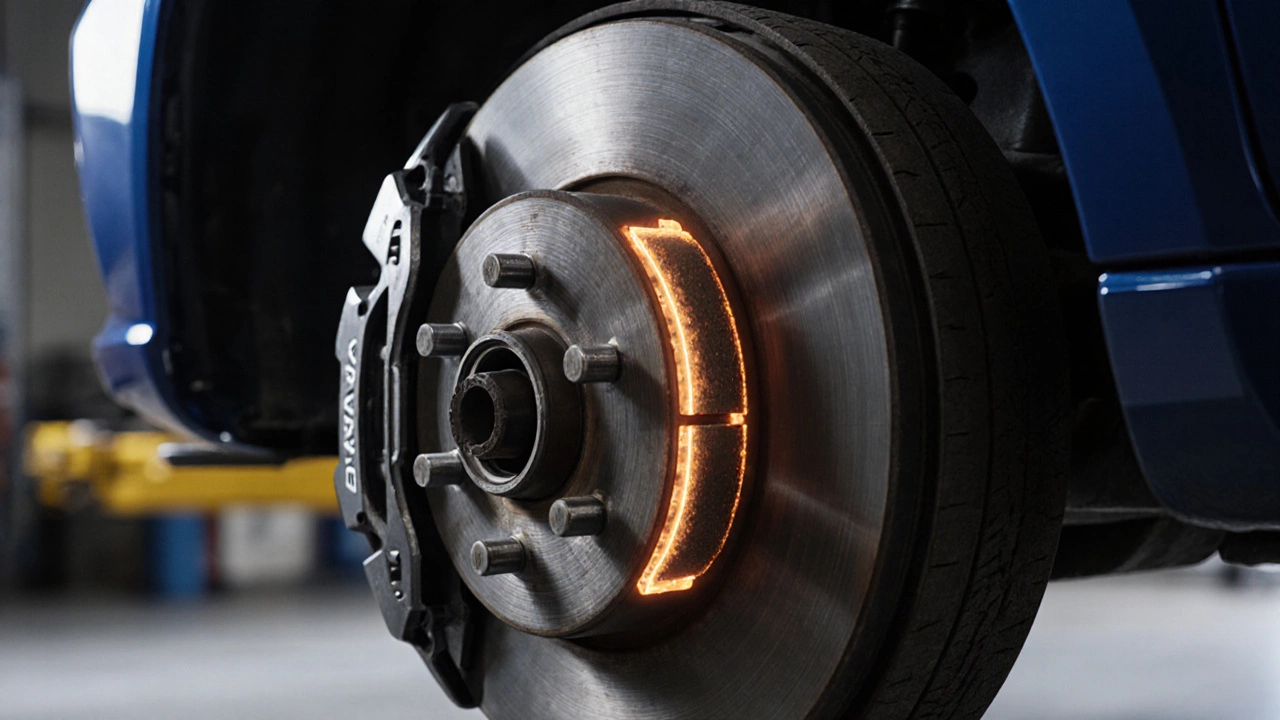
When your brake wear, the gradual thinning of brake pad material due to friction during stopping. Also known as brake pad degradation, it's not just a routine service item—it's a safety issue that can turn a simple fix into a costly repair if ignored. Most drivers don’t realize brake wear starts long before they hear squealing. It begins with microscopic material loss, slowly reducing stopping power and increasing heat buildup. By the time you notice noise or vibration, your brake rotors, the metal discs that brake pads clamp down on to stop the vehicle may already be scored or warped. Replacing pads alone at this stage often means replacing rotors too—and that’s twice the cost.
Brake wear isn’t one-size-fits-all. Aggressive stop-and-go driving in city traffic eats through pads faster than highway cruising. Heavy loads, like towing or hauling, increase heat and friction. Even the type of pad material matters—organic pads wear quicker but are quieter, while ceramic last longer and handle heat better. If you’re hearing grinding, that’s not just wear—it’s metal-on-metal contact. That’s your brake pads, the friction components that press against rotors to slow the car completely gone. Rotors are now being damaged, and your stopping distance has likely doubled.
Don’t wait for the warning light. Check your brakes every 10,000 miles. Look for thinning pads—less than 1/4 inch thick means it’s time. Listen for high-pitched squeaks, especially when braking lightly. Feel for pulsing in the pedal or steering wheel—signs your rotors are uneven. And never ignore a soft or spongy pedal; that could mean air in the lines or leaking fluid. These aren’t guesses—they’re facts mechanics see every day.
What you’ll find below are real, practical guides from drivers and mechanics who’ve been there. From how to spot brake wear before it’s dangerous, to why replacing pads without checking rotors is a trap, to what noise really means when your brakes scream. You’ll learn what to do before you end up stranded, what to ask a mechanic, and how to avoid being upsold. This isn’t theory—it’s what works on the road, day after day.