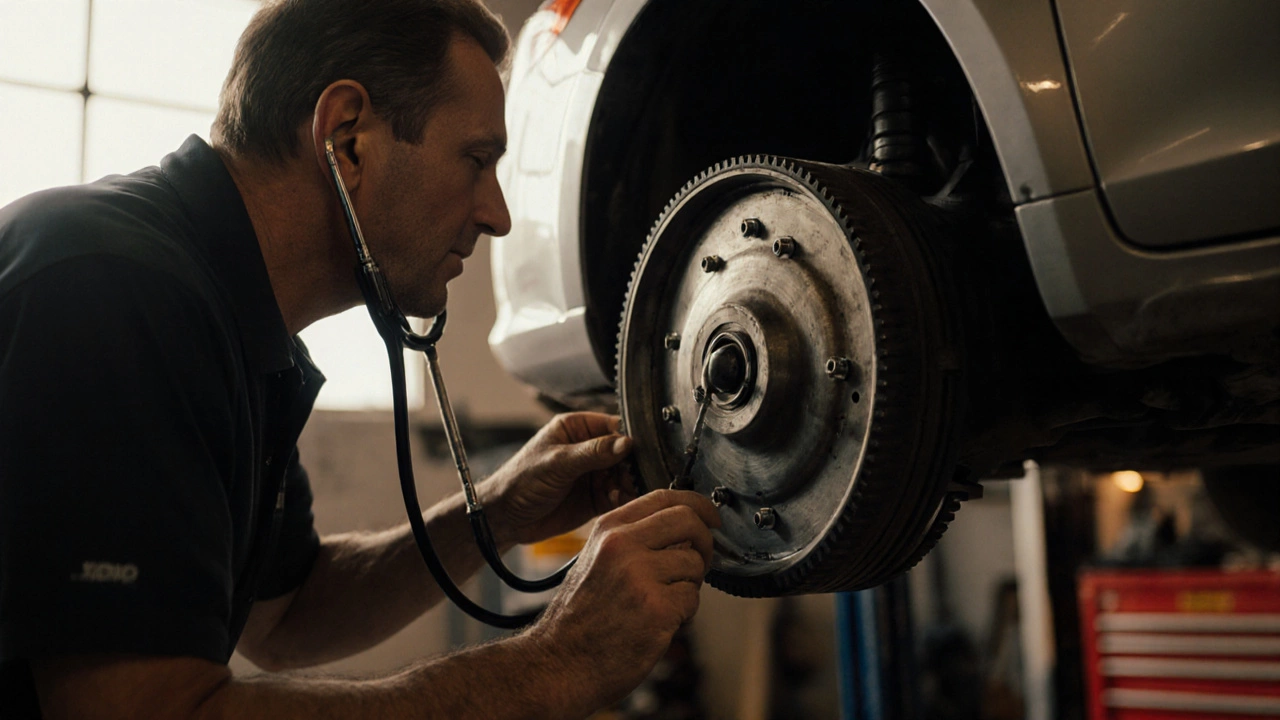
Bad Flywheel Noise: Identify, Diagnose, and Fix Common Sounds
Learn how to identify, diagnose, and fix the noises a bad flywheel makes, with clear steps, causes, and repair tips for clutch kit owners.
View moreWhen your car shudders during takeoff or makes a grinding noise when you let out the clutch, the issue might not be the clutch at all—it could be the flywheel, a heavy rotating disk that connects your engine to the transmission and smooths out power delivery. Also known as a crankshaft flywheel, it’s one of those parts you never think about until it fails—and then it’s usually expensive. Most people assume clutch problems mean just replacing the clutch kit, but a worn or cracked flywheel can kill a brand-new clutch in days.
A dual mass flywheel, a type of flywheel with built-in damping to reduce engine vibrations, especially in diesel and modern turbocharged engines is common in cars made after 2000. These are more complex than single-mass flywheels and can’t always be resurfaced. If the damping springs break or the friction surface gets grooved, you’ll feel it as a rhythmic vibration, especially at idle or low speeds. That’s not normal. It’s not just noise—it’s a warning that the flywheel is breaking down.
Flywheel damage often comes from aggressive driving: riding the clutch, rapid stop-and-go traffic, or towing heavy loads without proper cooling. Over time, the surface gets glazed or warped. You might notice the clutch slipping even after replacement, or hear a clunk when shifting. Some mechanics will try to save you money by resurfacing the flywheel, but that only works if it’s thick enough and not cracked. If the flywheel is too thin or has hairline fractures, resurfacing won’t help—and it’s dangerous.
There’s no fixed mileage for flywheel failure. Some last 150,000 miles; others go bad at 60,000 if you’ve been hard on the transmission. The key is paying attention to how your car feels. If the clutch pedal feels different, or the engine vibrates through the floorboard, don’t ignore it. A bad flywheel doesn’t just hurt performance—it can damage your transmission, starter motor, or even the crankshaft.
When you’re looking at clutch repair, always ask: Is the flywheel being checked? Most shops will inspect it, but not all will tell you the truth. If they say it’s "fine" without showing you the wear patterns, get a second opinion. A good mechanic will clean it, measure its thickness, and check for cracks with dye or a magnifying glass. If you’re replacing the clutch anyway, it’s often smarter to replace the flywheel too—especially if it’s a dual mass type. The cost difference is small compared to the risk of another repair in six months.
What you’ll find below are real-world stories and guides from people who’ve been there: how to spot a failing flywheel before it leaves you stranded, why some DIYers regret skipping the flywheel check, and which vehicles are most prone to this issue. You’ll also see what happens when you ignore the signs—and how to avoid the costly mistakes others made.
Learn how to identify, diagnose, and fix the noises a bad flywheel makes, with clear steps, causes, and repair tips for clutch kit owners.
View more