Brake Pads: What They Are, When to Replace Them, and How to Spot Trouble
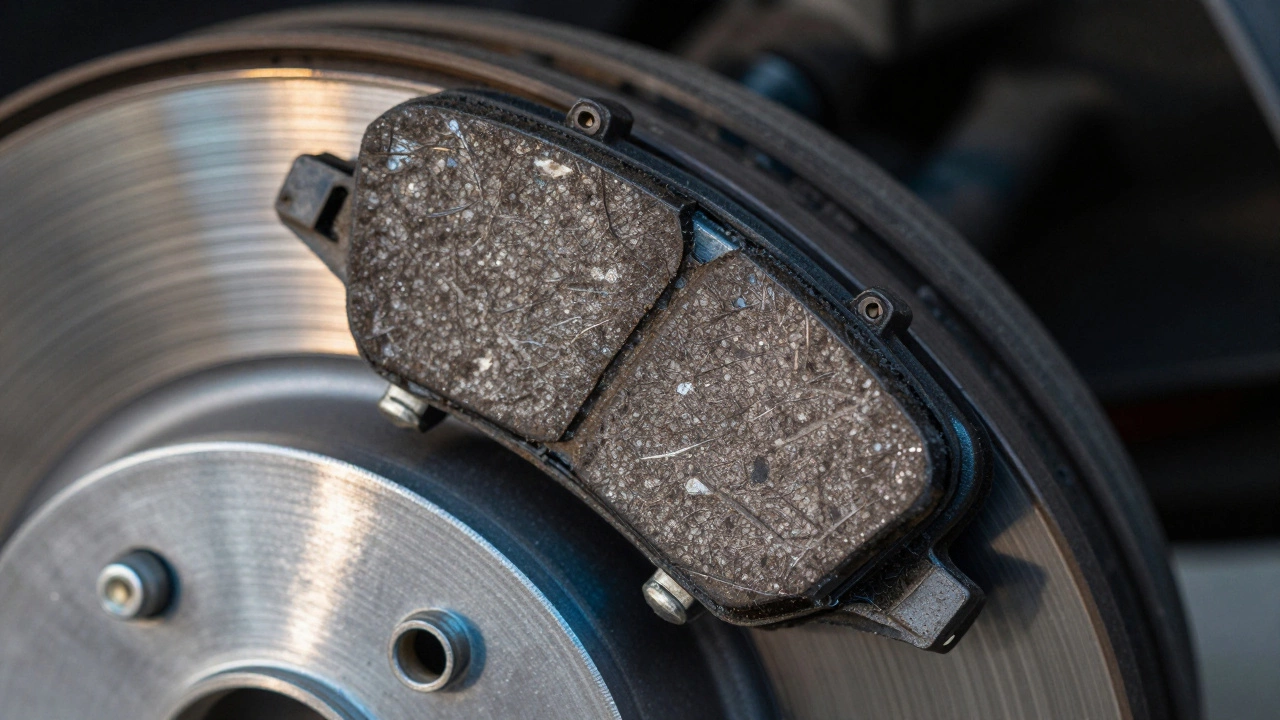
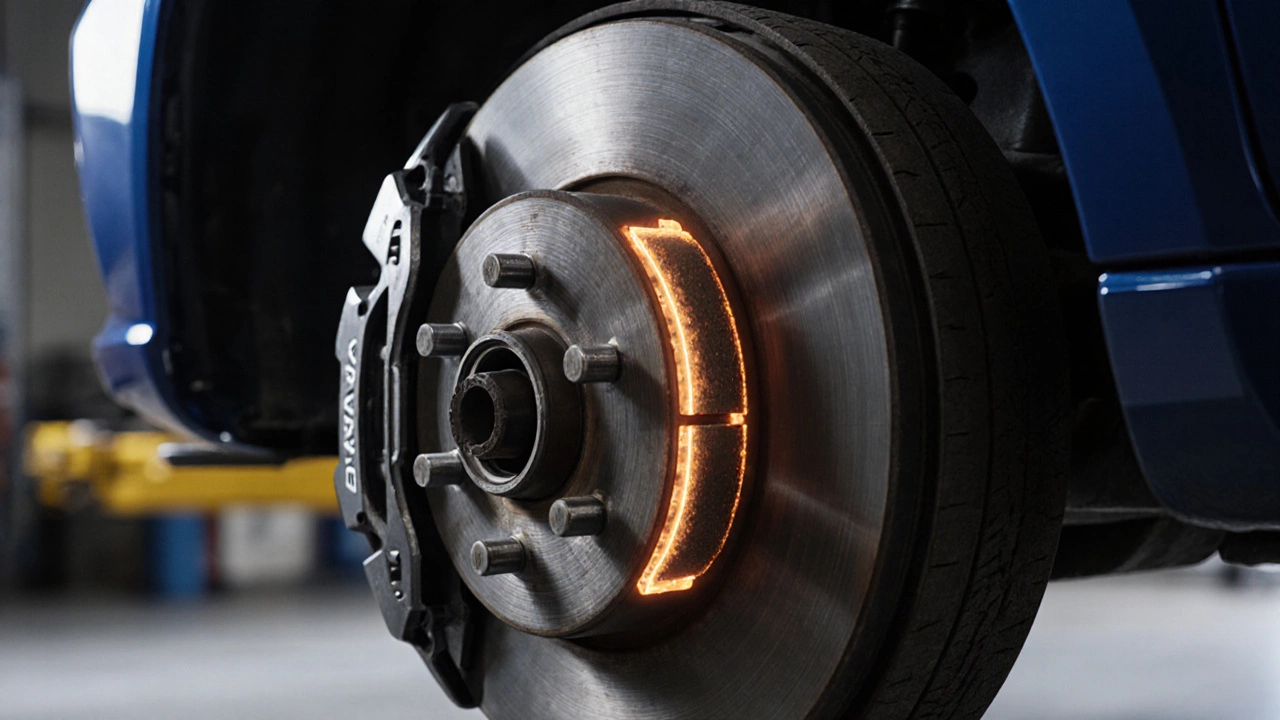
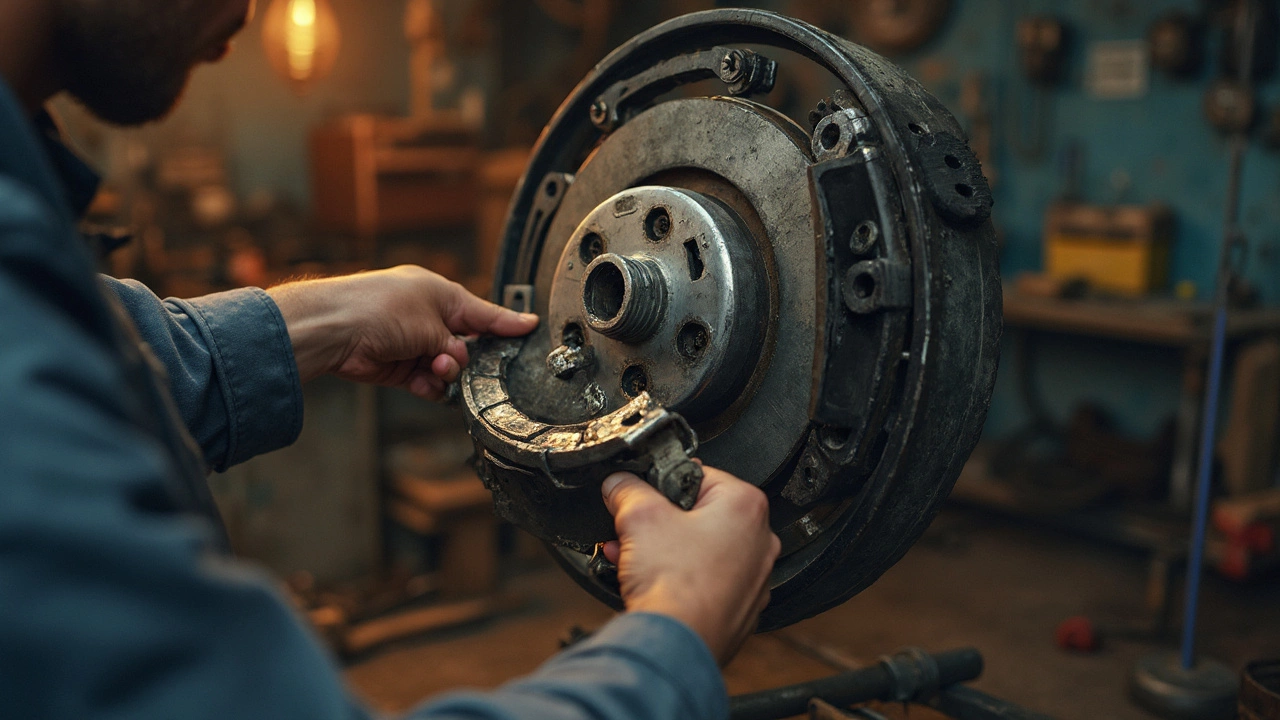
When you press the brake pedal, brake pads, thin friction materials that clamp down on the brake rotors to slow your vehicle. Also known as brake linings, they’re one of the most worn-out parts in your car—and one of the easiest to ignore until it’s too late. Every time you stop, these pads scrape against the rotors. Over time, they wear thin. If you don’t replace them, metal starts grinding on metal. That’s not just noise—that’s damage. And that damage? It’s expensive.
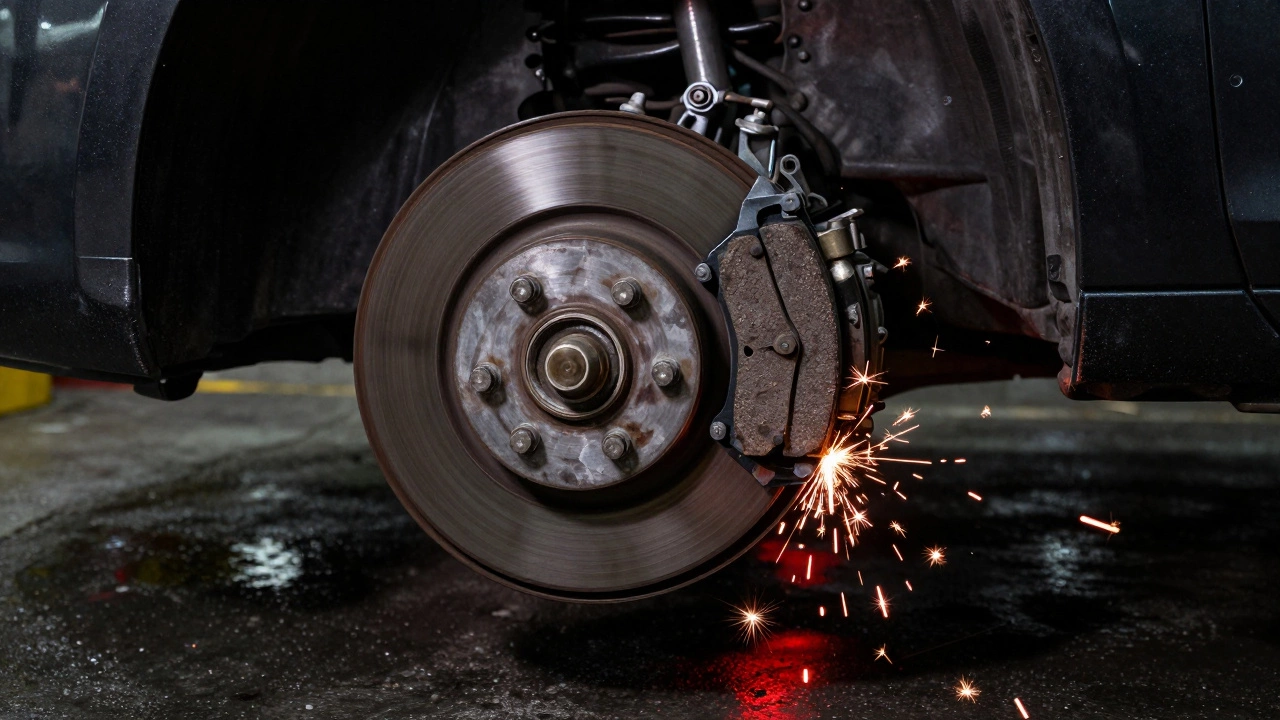
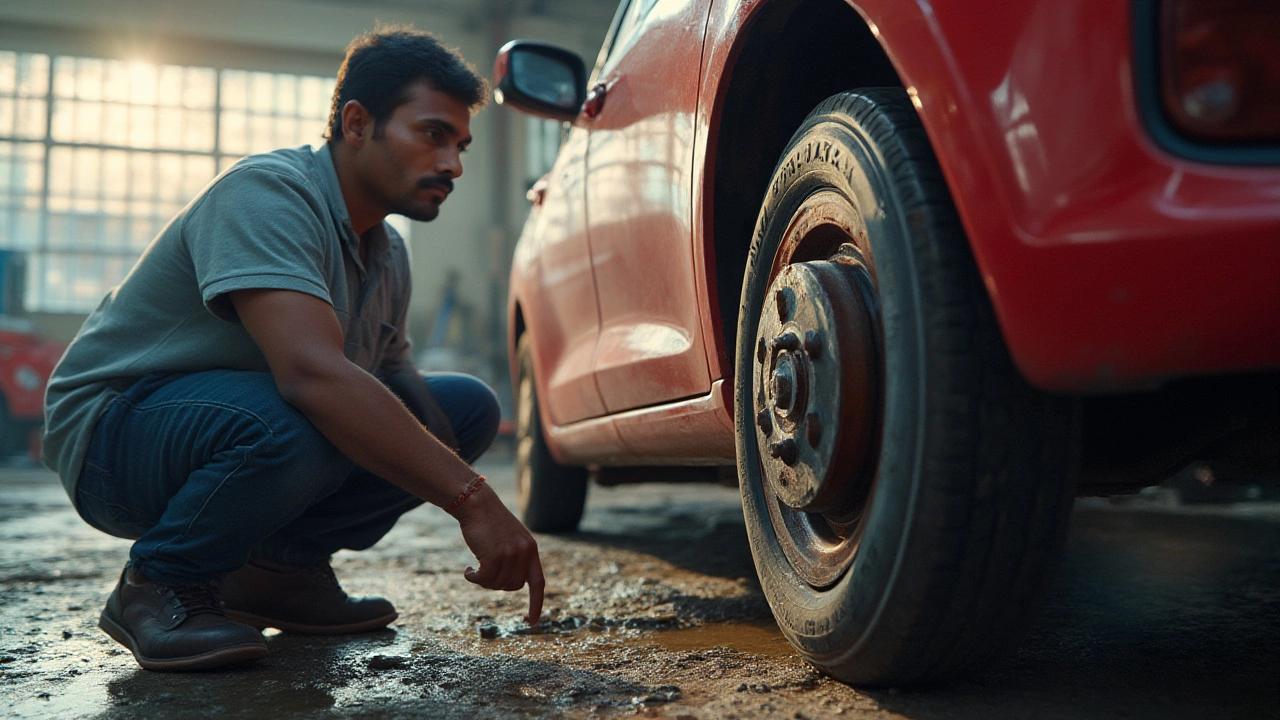
Brake pads don’t last forever. Most last between 30,000 and 70,000 miles, but that’s just a guess. If you drive in the city, brake often, or haul heavy loads, you might need new ones at 25,000 miles. If you mostly cruise on highways? Maybe 80,000. The real signs aren’t in the odometer—they’re in your ears and feet. Squealing? That’s the wear indicator rubbing. Grinding? That’s the metal backing plate hitting the rotor. A spongy pedal or longer stopping distances? You’re already risking your safety. And if you wait, you’ll end up replacing not just the pads, but the rotors too. Rotors are way more expensive.
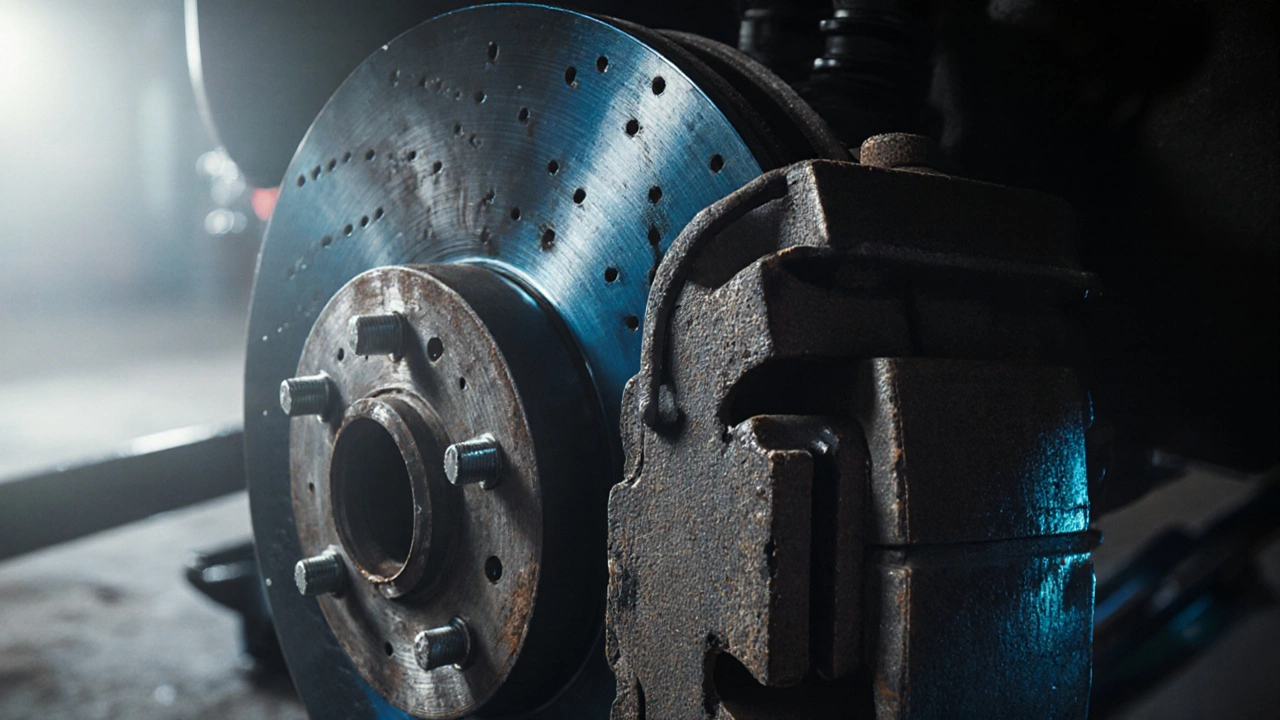
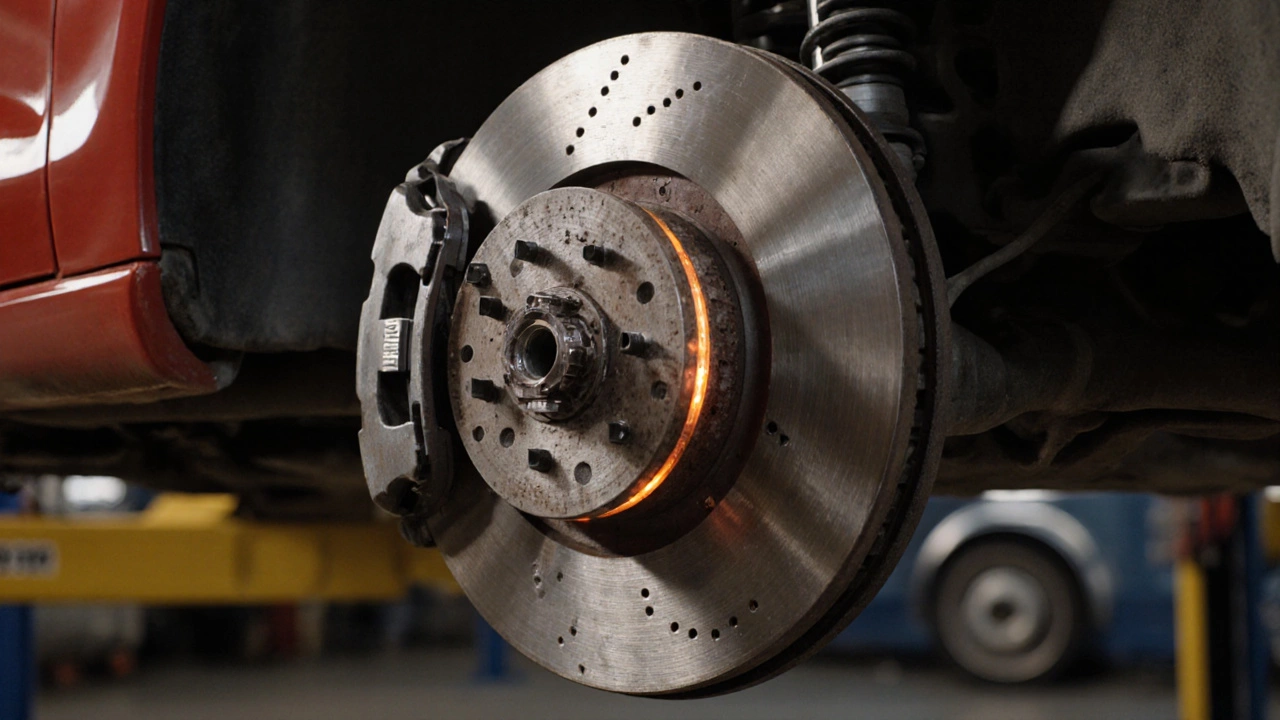
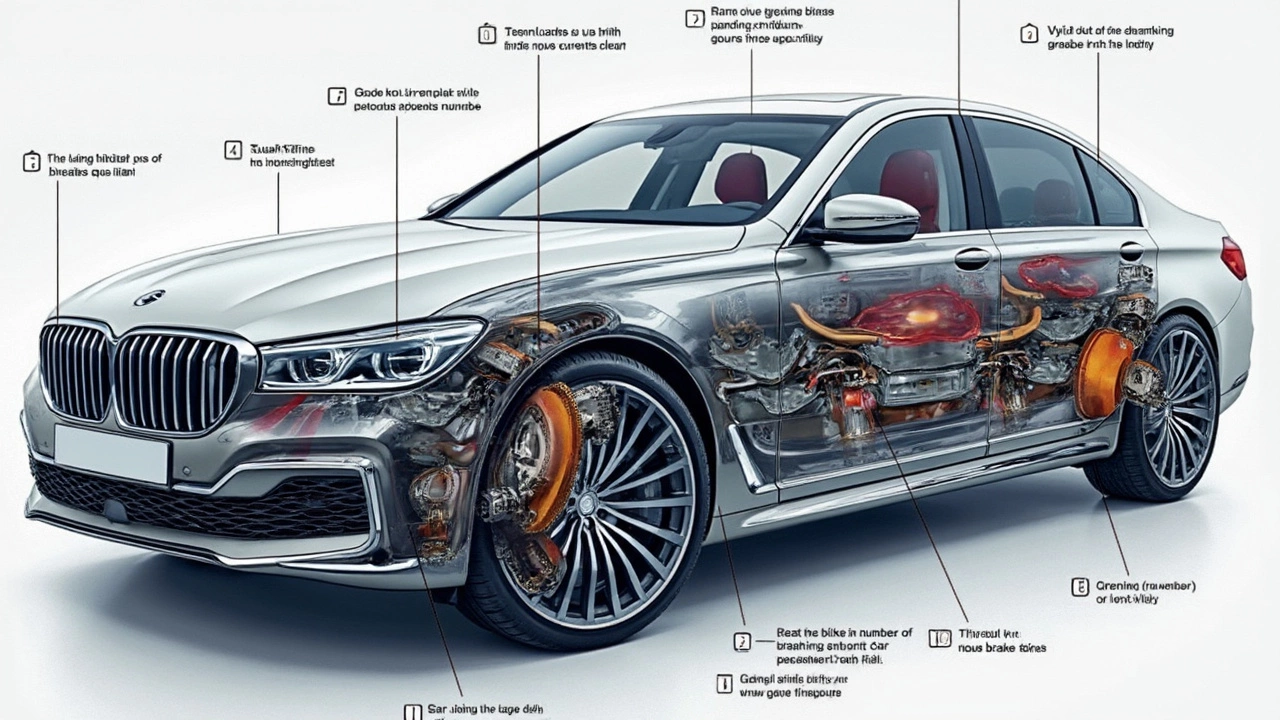
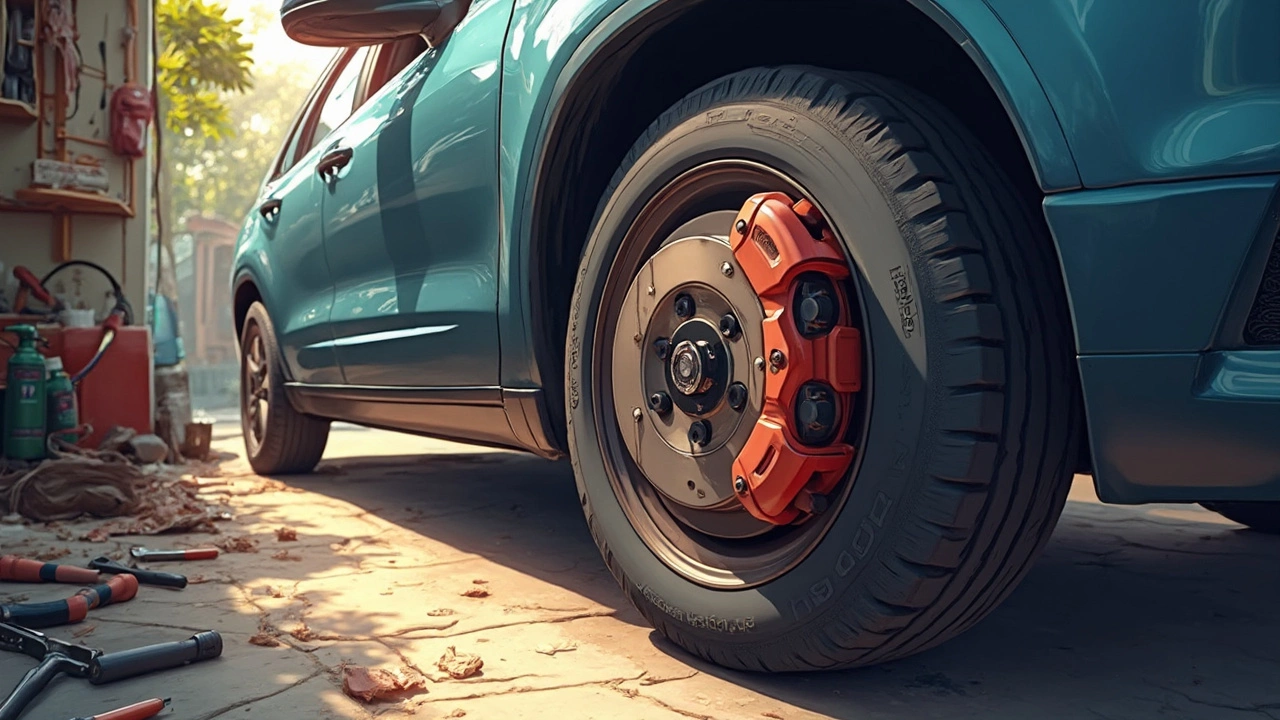
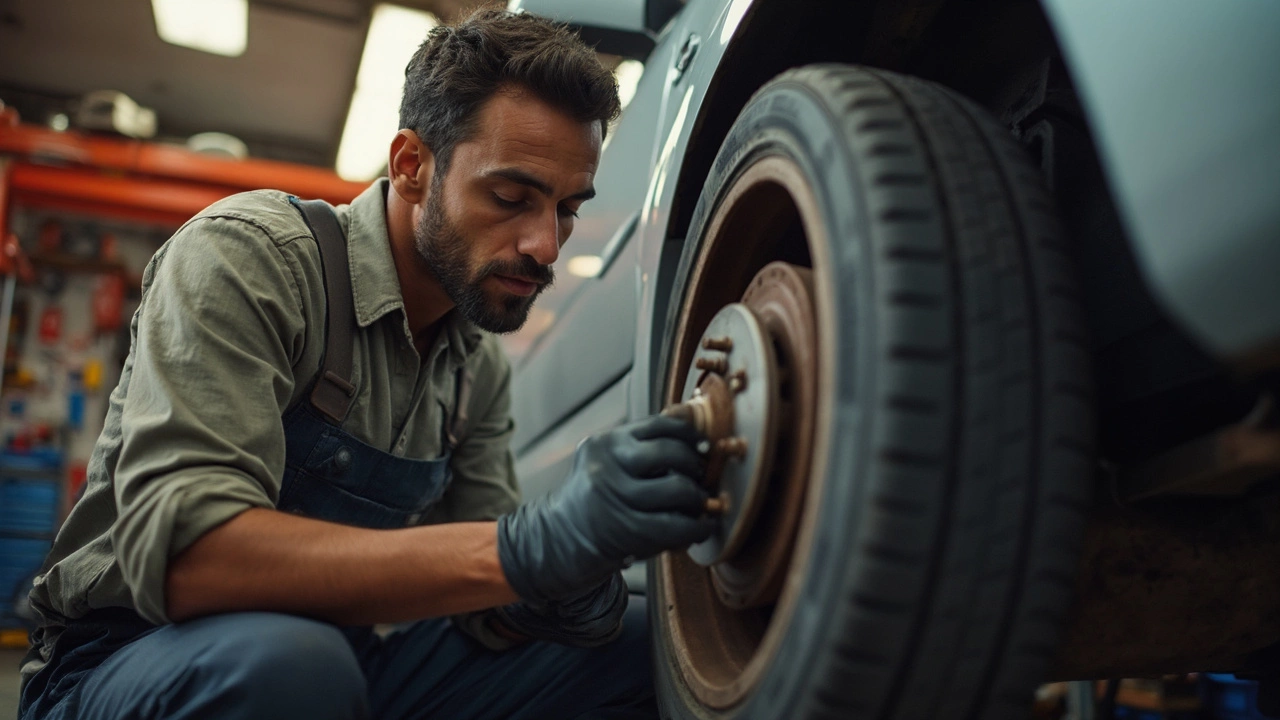
It’s not just about the pads themselves. brake rotors, the metal discs the pads press against. Also known as brake discs, they’re designed to handle heat and friction—but only if the pads are in good shape. Worn or cheap pads can warp or score rotors in just a few thousand miles. Then you’re paying for two repairs instead of one. And brake maintenance, the regular checks and replacements that keep your stopping power reliable. Also known as brake system care, it’s not something you do once a year—it’s something you watch for every time you drive. You don’t need a mechanic to spot the warning signs. Listen. Feel. Look. A quick glance at the pads through the wheel spokes can tell you more than a diagnostic tool.
What you’ll find below are real, no-fluff guides from people who’ve been there. How to tell if your pads are worn out before they ruin your rotors. Why some brake pads squeal even when they’re new. What happens when you delay replacement. And how to pick the right pads for your driving style—whether you’re commuting in traffic, towing a trailer, or just trying to get to work without panic stops. These aren’t theory pieces. They’re practical, tested advice from drivers who learned the hard way.