How to Tell If Spark Plugs Need to Be Changed
Learn the top signs your spark plugs need replacing-engine misfires, rough idle, poor fuel economy-and how to check them yourself. Avoid costly engine damage by knowing when to swap them out.
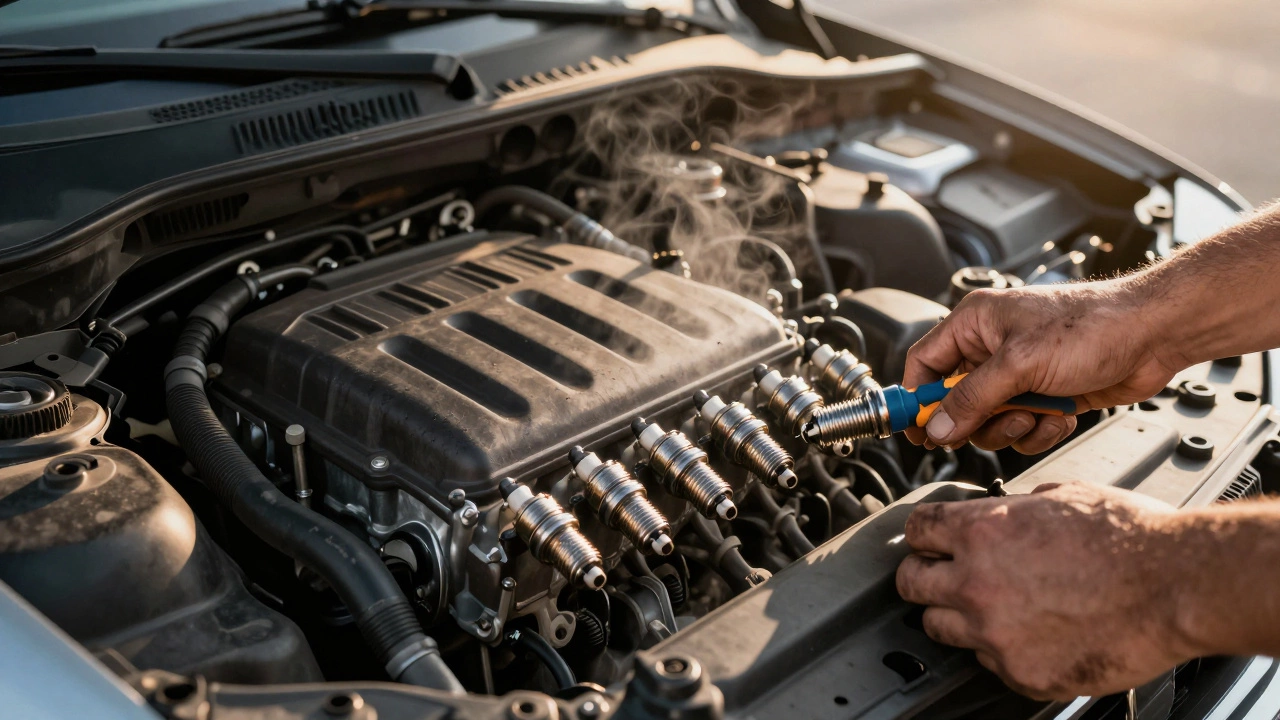
View moreWhen your engine won’t start or runs rough, the problem might not be the battery or fuel pump—it could be something small but critical: a spark plug, a tiny component that creates the electric spark to ignite fuel in your engine’s cylinders. Also known as ignition plug, it’s the heartbeat of your combustion engine. Without it, your car doesn’t just lose power—it stops dead. Even though spark plugs are small, they handle extreme heat, pressure, and electrical voltage every time you turn the key. And when they fail, you feel it: misfires, poor fuel economy, or that annoying hesitation when you press the gas.
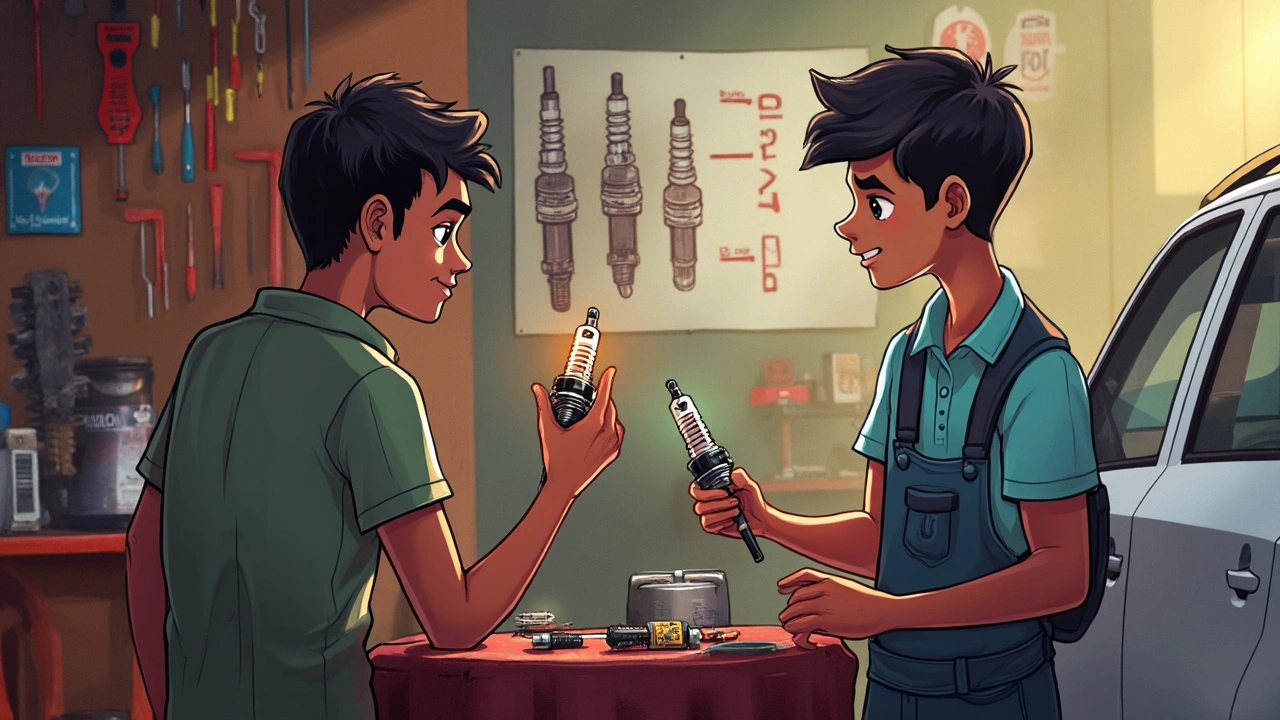
Not all spark plugs are the same. There are copper, the most common and affordable type, good for everyday driving but shorter-lived, platinum, a step up in durability, often used in modern cars with longer service intervals, and iridium, the premium choice with superior conductivity and lifespan, ideal for high-performance or turbocharged engines. Your car’s manual will tell you which one it needs—using the wrong type can cause overheating, misfires, or even damage to the cylinder head. And while some drivers think "more expensive means better," that’s not always true. A high-end iridium plug in a basic economy car won’t give you extra power—it’ll just cost more.
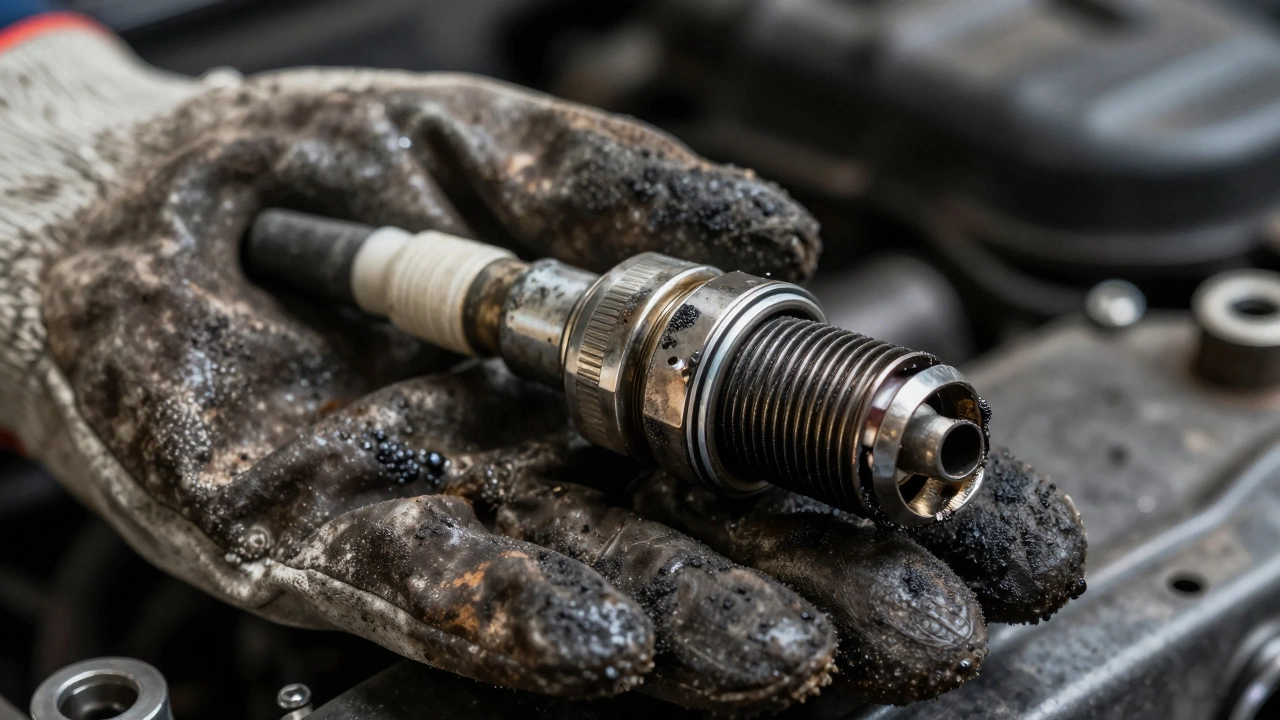
How long do they last? Copper plugs might need replacing every 20,000 to 30,000 miles. Platinum can go 60,000. Iridium? Up to 100,000 miles. But mileage isn’t the only factor. If you drive short trips often, your engine never fully warms up—this causes carbon buildup that fouls plugs faster. If you hear a rhythmic tapping or your check engine light flashes, that’s a red flag. So is rough idling or trouble starting on cold mornings. These aren’t just annoyances—they’re early signs your spark plugs are dying.
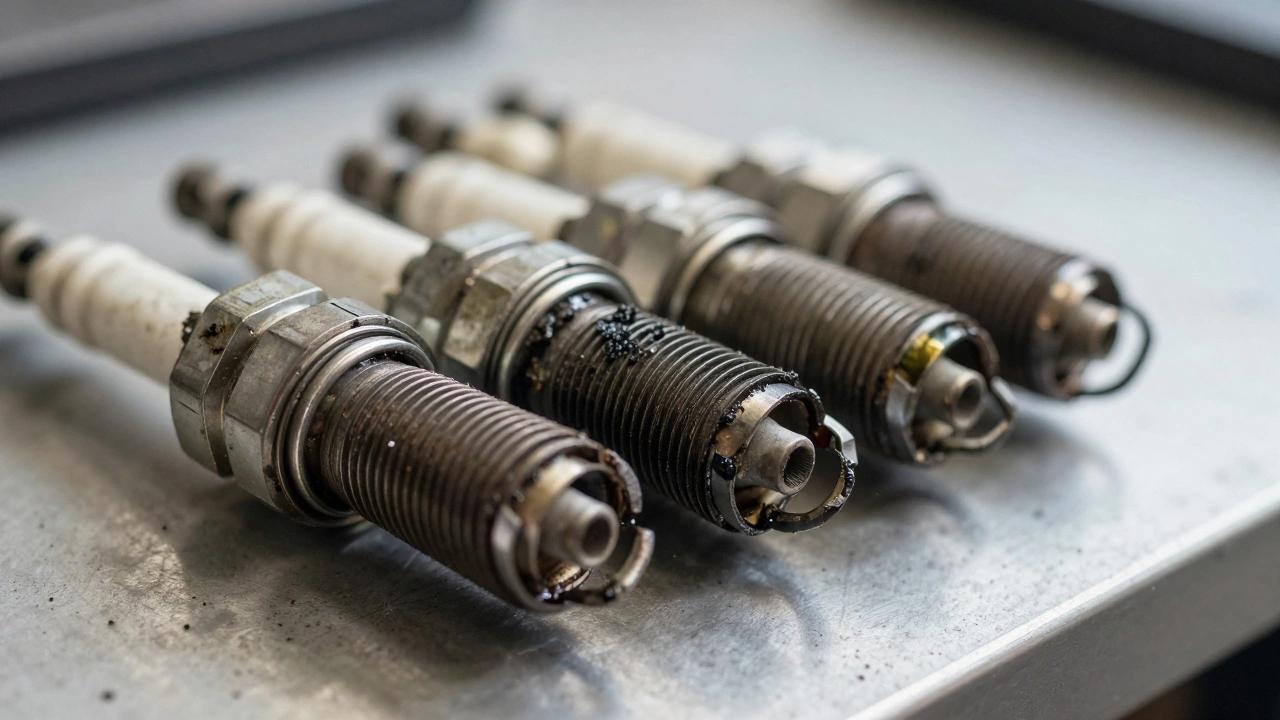
You don’t need a mechanic to check them. A simple visual inspection—pulling one out with the right socket—can tell you if they’re fouled, worn, or cracked. And replacing them yourself? It’s easier than changing your air filter. You just need the right tool, a little patience, and the correct gap setting. Skip the expensive shop fees. Do it right, and you’ll get smoother starts, better fuel mileage, and fewer surprises on the road.
Below, you’ll find real-world guides on how to test, replace, and choose spark plugs that actually match your car—not just what the auto parts store pushes. Whether you’re dealing with a worn-out set, confused by the options, or just trying to avoid a breakdown, these posts give you the facts without the fluff.
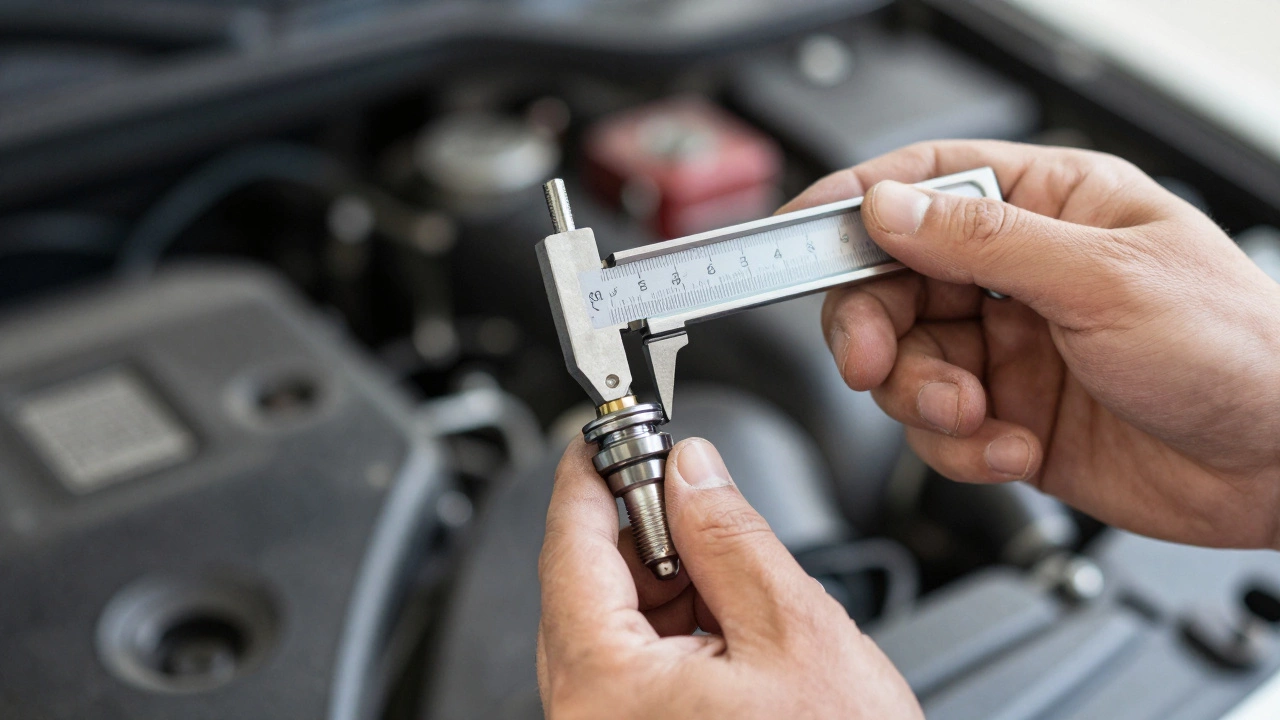
Learn the top signs your spark plugs need replacing-engine misfires, rough idle, poor fuel economy-and how to check them yourself. Avoid costly engine damage by knowing when to swap them out.
View moreCleaning spark plugs won't restore performance-replacing them will. Learn why replacing is the only reliable choice for modern engines and how to avoid costly mistakes.
View moreSpark plugs don’t add horsepower-they restore it. Learn why upgrading plugs won’t make your car faster, when they actually matter, and what really boosts performance.
View moreCurious if you can change spark plugs yourself? This detailed guide explains the myths, steps, tips, and what real car owners need to know before grabbing a socket wrench.
View moreSpark plugs play a huge role in keeping your engine running smoothly, but most drivers never think about them until there’s a problem. This article breaks down how often you should be changing your spark plugs based on your car and driving style. You’ll get the inside scoop on different types of plugs, symptoms of old plugs, and tips for making replacements easier. Real-world examples keep things relatable. Save yourself from rough starts and wasted fuel by staying ahead of the game.
View moreSpark plugs are often seen as tiny, replaceable parts, but they're actually vital for most car engines. This article digs into whether a car can really run without them and what actually happens if one or all of your spark plugs fail. You'll get practical advice, real-world insights, and clear answers to a surprisingly common question. Get ready to learn why that little spark matters so much every time you start your car. You might even save yourself from a frustrating roadside surprise.
View moreCurious if your spark plugs are cracked? This article breaks down all the common warning signs and what you should actually do about it. Find out how a cracked spark plug messes with your engine, why ignoring it can drain your wallet, and how you can check them at home. Learn the difference between symptoms that help you catch the problem early and those that signal it's already too late. Get simple maintenance tips from someone who learned the hard way.
View moreEver wondered why spark plugs seem to give up sooner than you’d like? This article breaks down what really causes spark plugs to fail quickly, from harsh driving habits to common mechanical issues. You'll learn how to spot early signs of trouble and get practical tips to make your spark plugs last longer. Whether you’re a weekend mechanic or someone just trying to save money on repairs, there’s something here for you. Get ready to keep your engine firing right and headaches to a minimum.
View moreExploring the impact of spark plugs on fuel economy, this article delves into how they affect engine performance and gas mileage. Discover the signs of worn-out spark plugs and learn practical tips for maintaining them to enhance your car's efficiency. Understand the relationship between spark plugs and optimal fuel-burning systems, and why regular checks can save you money at the pump. Arm yourself with the knowledge to make informed decisions about your vehicle's maintenance.
View moreCleaning spark plugs is an essential part of maintaining engine performance. Regular cleaning can boost your vehicle's efficiency, reduce emissions, and prevent engine misfires. Most drivers find that cleaning their spark plugs every 30,000 miles is ideal, but checking them more frequently if you notice rough idling or poor gas mileage is wise. Learn practical tips for diagnosing spark plug issues and keeping your engine running smoothly.
View moreSpark plugs play a crucial role in the performance and efficiency of your vehicle's engine. They ignite the air-fuel mixture, leading to the engine's combustion process that powers your car. The condition and type of spark plugs can significantly affect fuel efficiency, engine smoothness, and even emissions. Understanding their importance, maintenance, and the variety of spark plugs available can help ensure your vehicle runs optimally.
View moreSpark plugs, though small, play a significant role in a vehicle's exhaust system and overall performance. They are responsible for igniting the air-fuel mixture in the engine, impacting combustion efficiency and emissions. Poorly functioning spark plugs can lead to increased exhaust emissions and reduced fuel efficiency. Understanding how spark plugs affect the exhaust can help vehicle owners maintain optimal performance and reduce environmental impact. This article explores the relationship between spark plugs and exhaust, offering tips on how to maintain them effectively.
View more