Cooling System: Keep Your Engine From Overheating with Smart Fixes
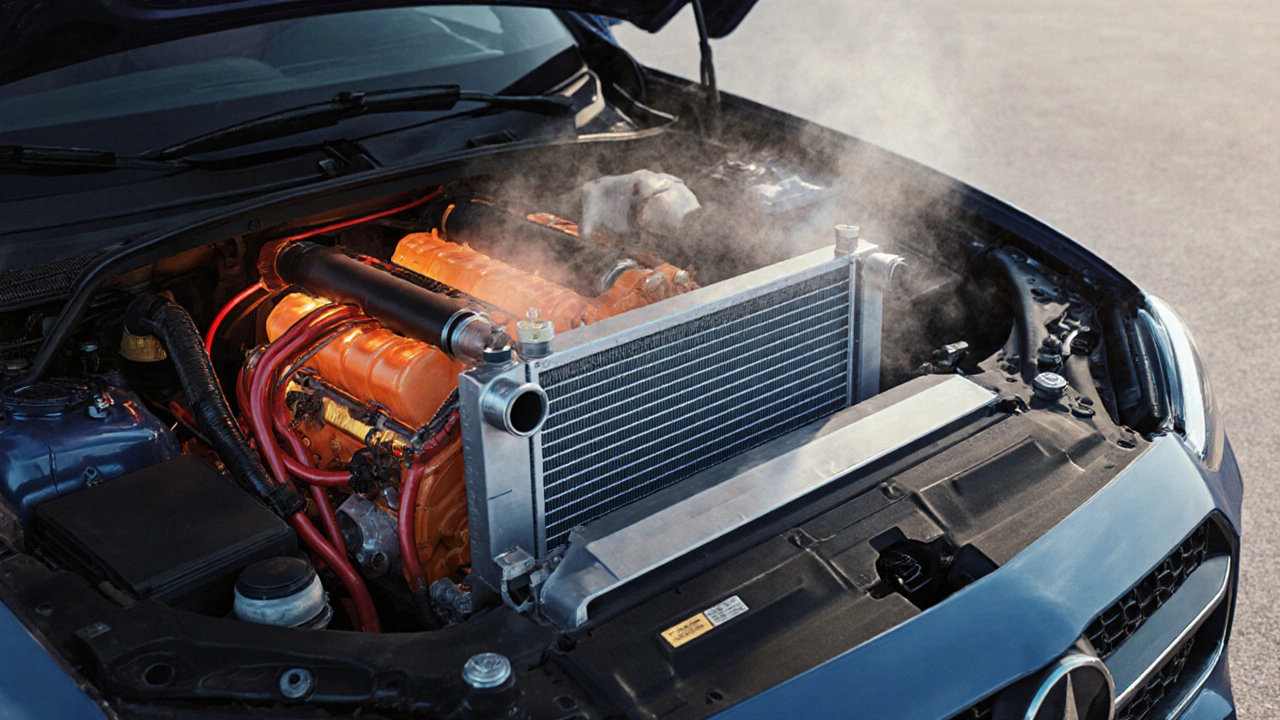
When your car’s cooling system, the network of parts that pulls heat away from your engine to keep it running safely. Also known as the engine cooling system, it’s not just a radiator—it’s a whole chain of parts working together to stop your engine from turning into a paperweight. If this system fails, your engine doesn’t just overheat—it can warp, seize, or blow a head gasket. And that’s not a repair you want to explain to your wallet.
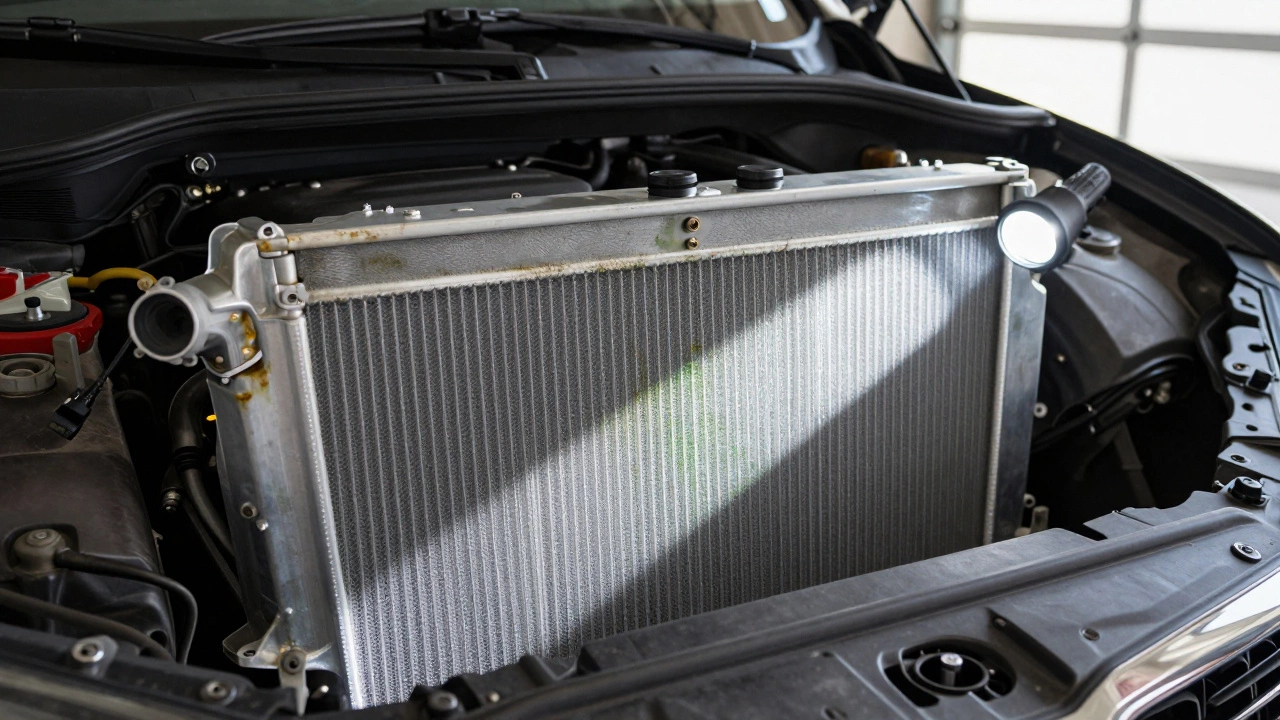
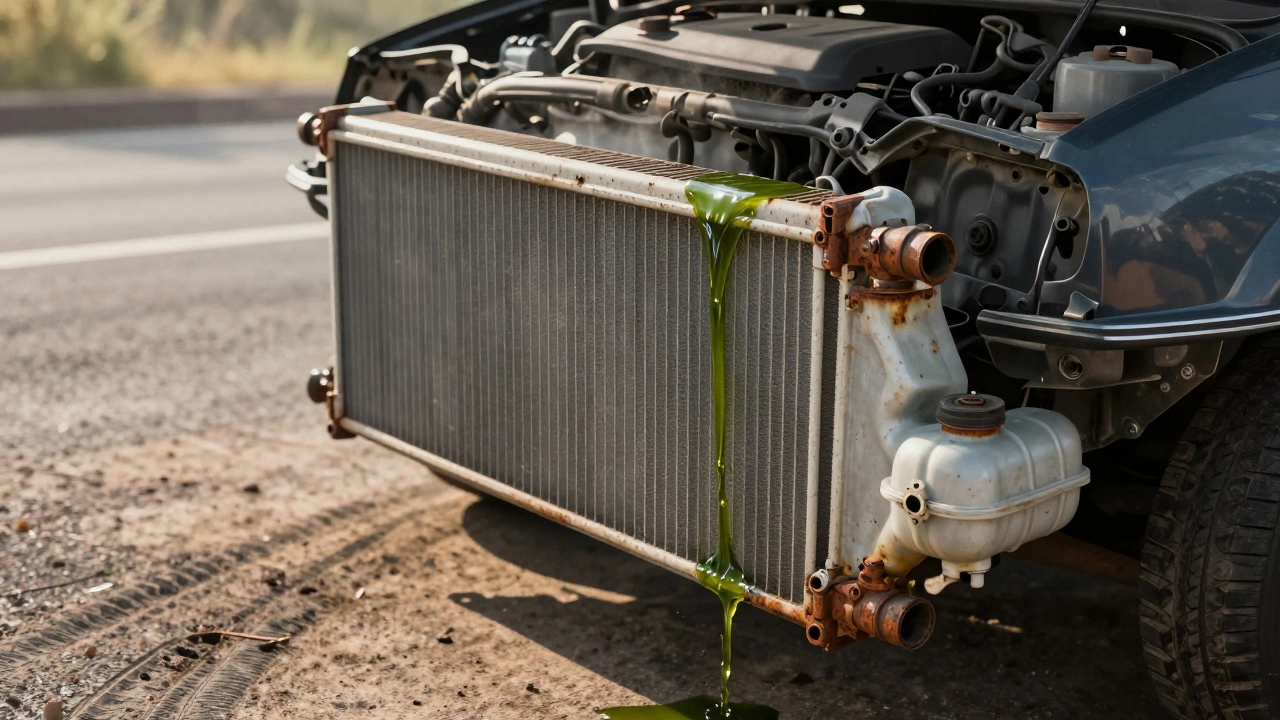
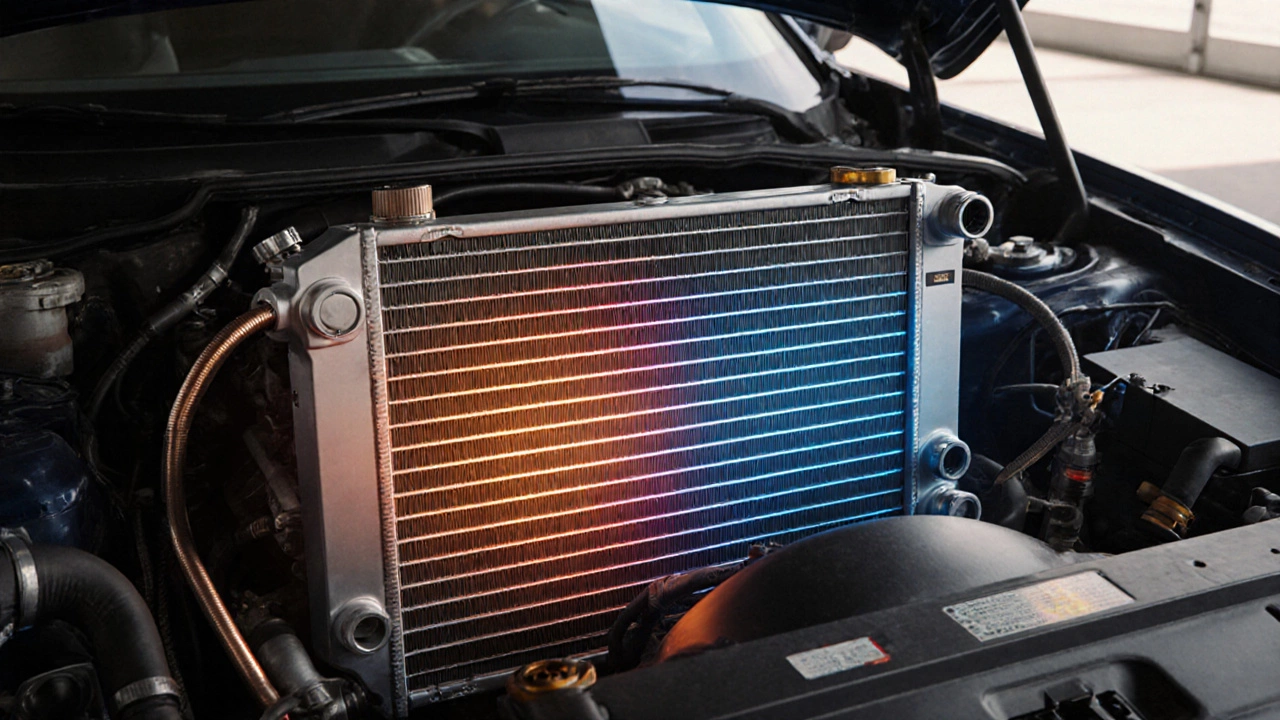
The heart of the cooling system is the car radiator, a metal heat exchanger that cools hot coolant as it flows through tubes and fins. Also called the engine radiator, it’s the part most people recognize, but it’s just one piece. The thermostat, water pump, hoses, coolant, and even the fan all play roles. A leaky hose, a clogged radiator, or a faulty thermostat can all cause the same symptom: your temperature gauge climbing into the red. And if you ignore it, you’re not just risking a breakdown—you’re risking a $3,000 engine rebuild.
Modern cars still rely on radiators, even hybrids and EVs. Electric vehicles don’t have combustion engines, but their batteries and power electronics need cooling too. Some use liquid-cooled systems just like gas cars. So whether you drive a 2005 Honda or a 2024 Tesla, understanding how your cooling system works matters. You don’t need to be a mechanic to spot the signs: coolant puddles under your car, steam rising from the hood, or that weird gurgling noise when you turn off the engine. Those aren’t myths—they’re warnings.
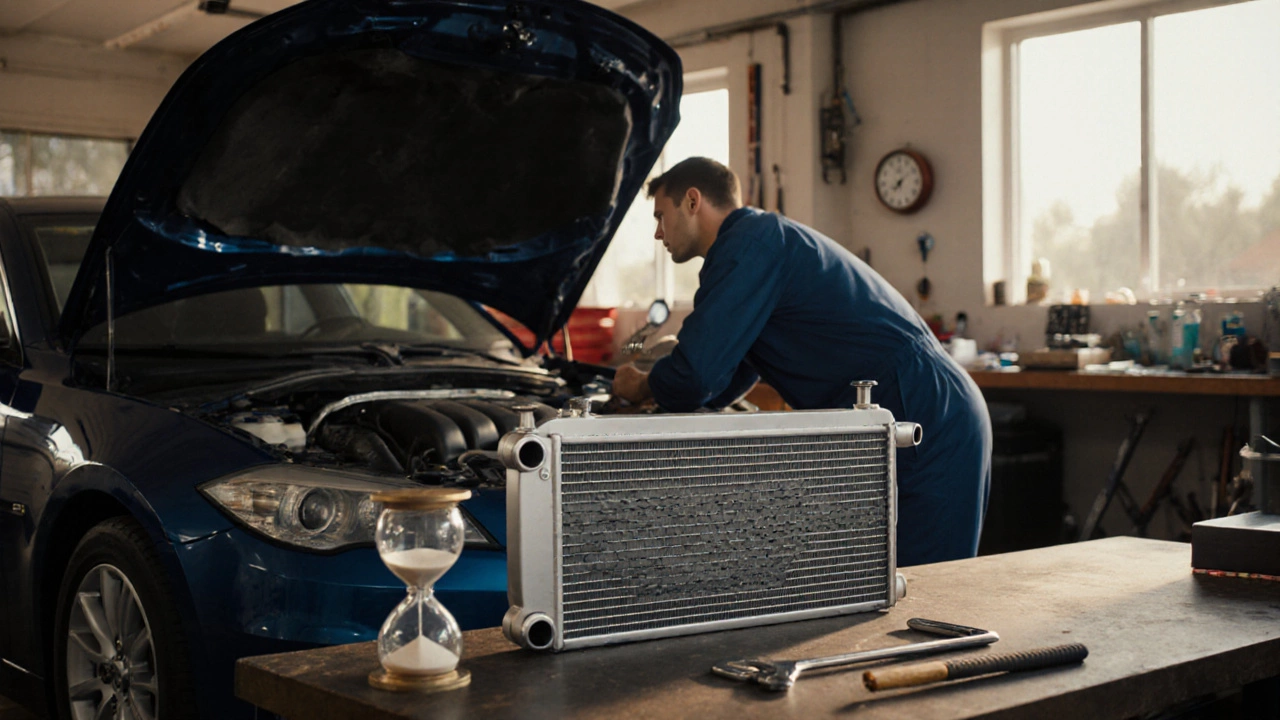
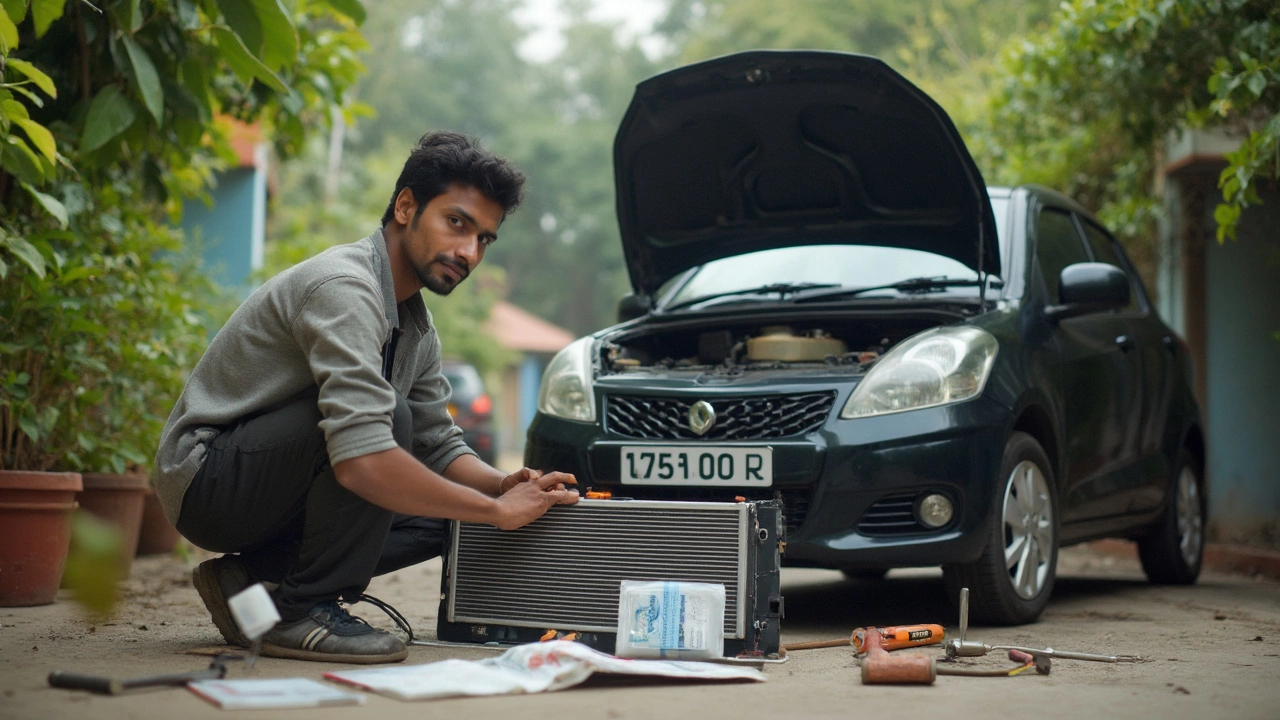
People often think replacing a radiator is a job for pros only. But with the right tools and a little patience, you can do it yourself. We’ve got posts that walk you through exactly how long it takes, what tools you actually need, and the mistakes that cost people hundreds in extra labor. You’ll also find out why a radiator can last 10 years—or fail in 3—and what makes one fail faster than another. Some folks think a bad radiator just means no AC. Nope. It’s the engine that’s in danger. And if your AC isn’t blowing cold, that’s a separate issue—sometimes related, sometimes not.
Every post in this collection comes from real problems real drivers faced. No fluff. No theory. Just what you need to know: how to spot a failing radiator before it kills your engine, how much it costs to fix, whether you can do it yourself, and what noises mean trouble. You’ll learn how to tell if your radiator is leaking, clogged, or just done. You’ll see what happens when coolant mixes with oil, why pressure builds up in the system, and how to avoid the most common DIY errors that turn a simple fix into a nightmare.
This isn’t about buying parts. It’s about understanding your car before it leaves you stranded. Whether you’re trying to save money, avoid a tow truck, or just stop worrying every time you see the temperature light, this collection gives you the facts you need—straight, simple, and ready to use.