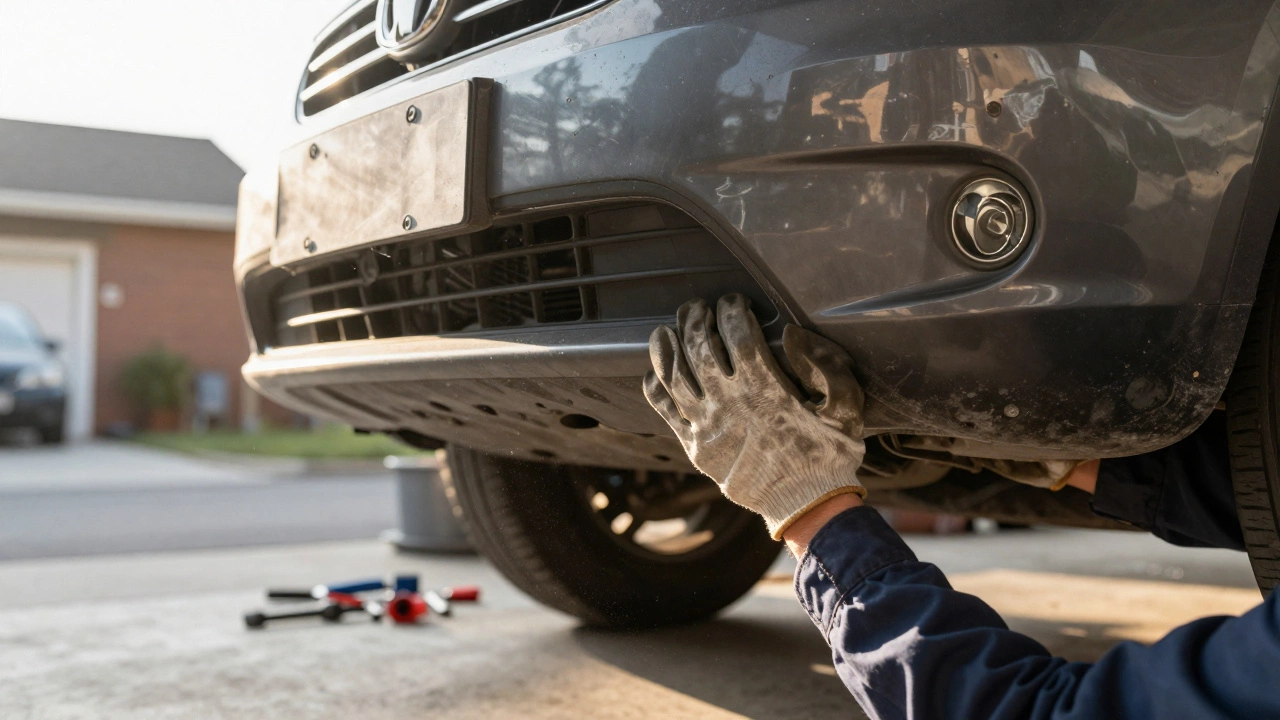
How to Fix a Bad Suspension Guide 2026
Learn how to diagnose and fix bad suspension systems. This guide covers symptoms, DIY checks, part replacement tips, and when to call a mechanic.
View moreWhen you drive over a bump and your car bounces like a trampoline, or you feel every crack in the road through the steering wheel, that’s your suspension, the system that connects your wheels to the rest of the car and absorbs shocks from the road. Also known as vehicle suspension system, it’s not just about comfort—it’s one of the most critical safety features you never think about until it breaks. Without a working suspension, your tires lose contact with the road, your brakes don’t work right, and your steering becomes unpredictable. It’s not an exaggeration: a failed suspension can turn a short trip into a crash.
The suspension parts, including shocks, struts, springs, control arms, and bushings all wear out over time. You can’t see most of them without getting under the car, but you’ll feel the results. A clunk when you hit a pothole? That’s a worn control arm or bad mount. A squeak when you turn? Could be dry bushings. A car that leans hard in corners or bounces after a bump? Your shocks are likely gone. And if your tires are wearing unevenly—like bald spots on the inside or outside edges—that’s a classic sign your suspension is out of alignment or failing.
It’s not just age that kills suspension. Rough roads, heavy loads, and hard cornering speed up wear. A single bad pothole can bend a control arm or crack a spring. Many people ignore the early signs because the car still "drives," but that’s when the real damage starts. Worn suspension puts extra stress on your tires, brakes, and steering components, leading to expensive repairs down the line. And if you’re driving with a bent suspension? You’re not just risking your ride—you’re risking your life.
Fixing suspension isn’t always a job for the shop. Sometimes, it’s as simple as replacing a worn shock or tightening a loose bolt. Other times, you need a full system check. The good news? You don’t need to be a mechanic to spot the warning signs. You just need to know what to listen for, what to look for, and when to act. Below, you’ll find real, practical guides from drivers who’ve been there—how to diagnose a problem before it costs you hundreds, how to tell if it’s the shocks or the springs, why your car sounds like a tin can over speed bumps, and what to do when you realize your suspension is shot. No fluff. No theory. Just what works.
Learn how to diagnose and fix bad suspension systems. This guide covers symptoms, DIY checks, part replacement tips, and when to call a mechanic.
View more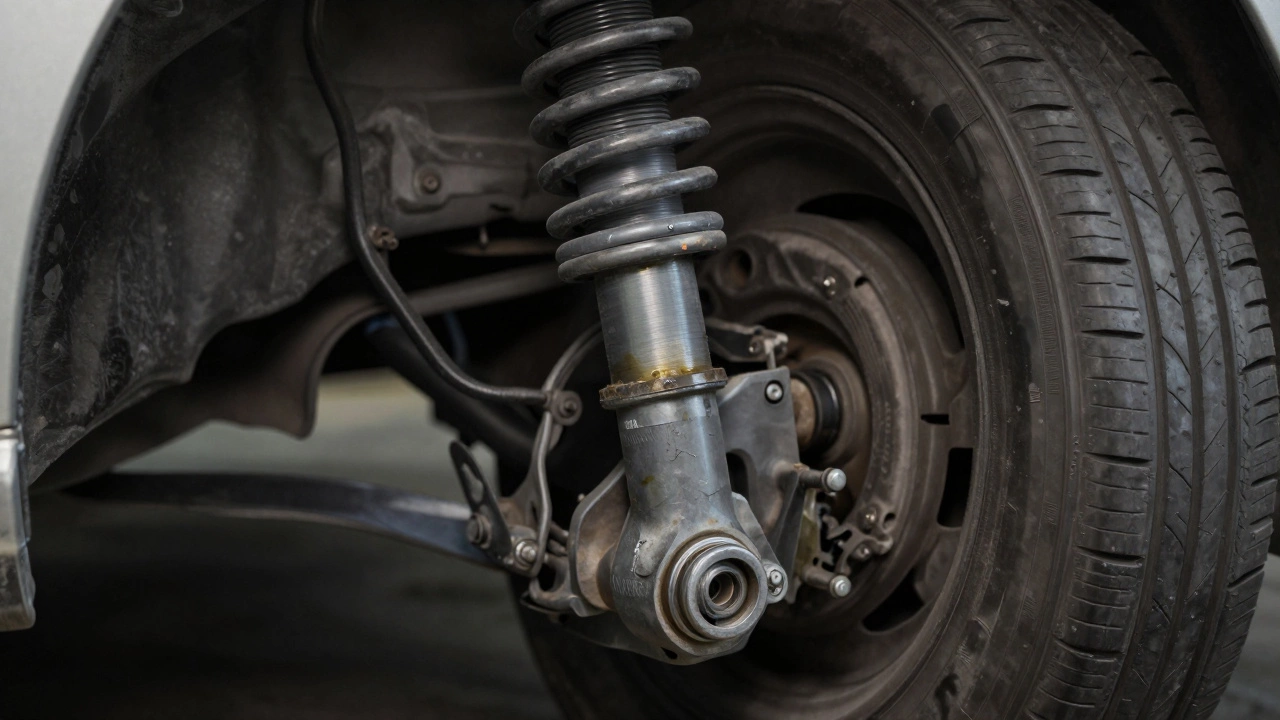
Learn how to spot worn suspension parts before they cause dangerous handling, uneven tire wear, or costly repairs. Simple checks you can do yourself to know when it's time to replace shocks, struts, and bushings.
View more
Suspension parts like shocks, struts, ball joints, and bushings wear out over time. Learn the signs they’re failing, why it matters for safety, and how to avoid costly damage by replacing them before it’s too late.
View more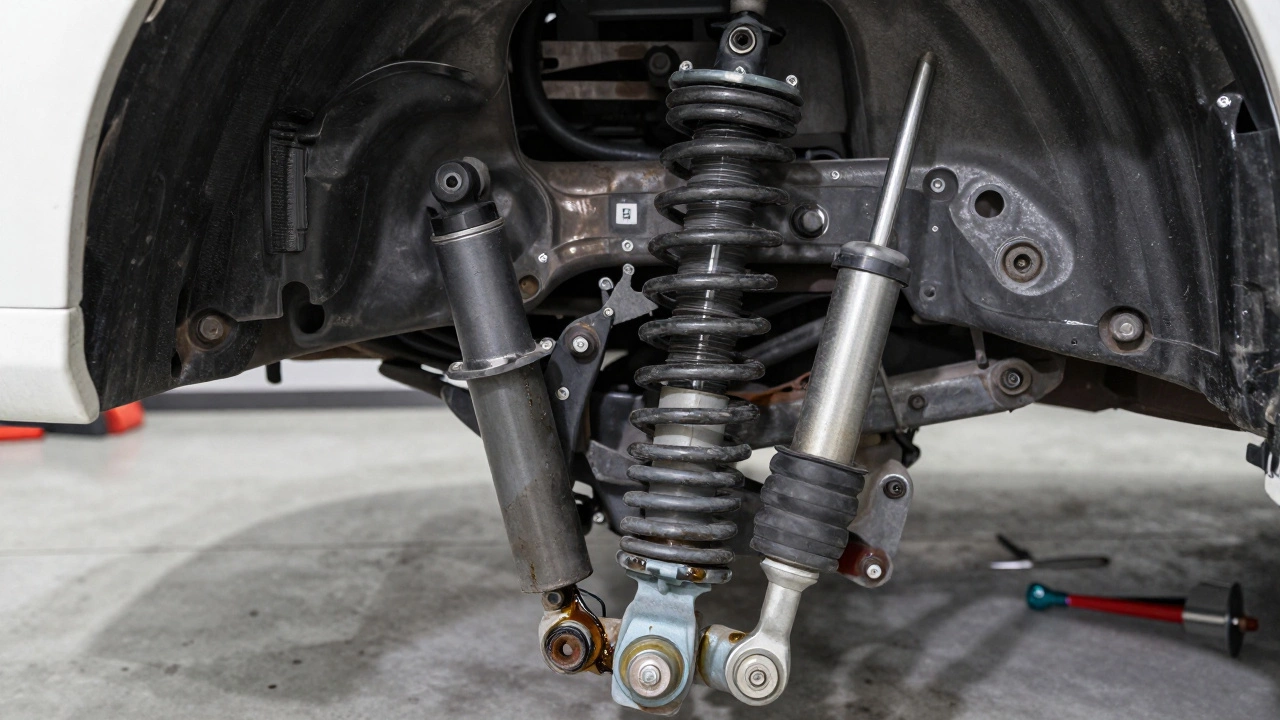
Your car's suspension keeps you safe and comfortable. Learn what parts are inside it - shocks, springs, ball joints, and more - and how to spot when they're failing before it becomes dangerous.
View more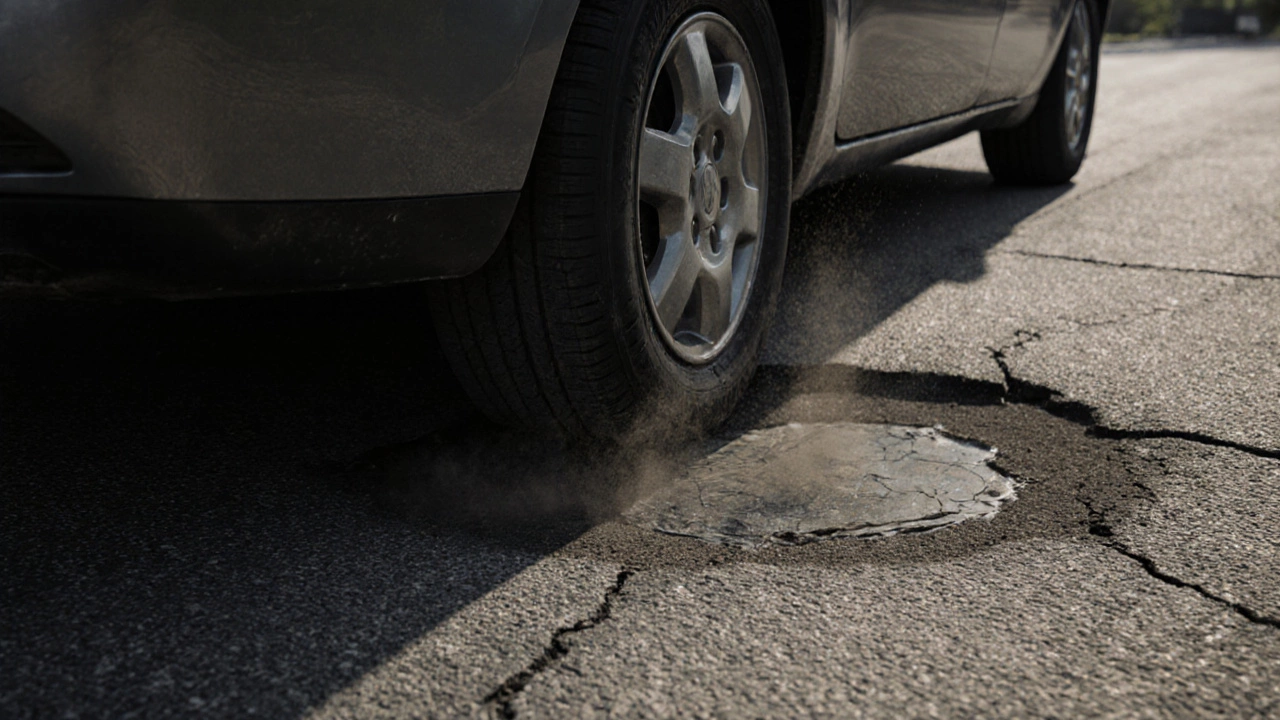
Driving with a bent suspension is dangerous and can lead to loss of control, tire failure, or crashes. Learn the signs, risks, and what to do immediately if your suspension is damaged.
View more
Learn how to spot, inspect, and test car suspension issues step by step. Includes symptom guide, visual checklist, road‑test methods, essential tools, and FAQs.
View more
Thinking about changing your car's suspension? It comes down to choosing between stiffer or softer setups, each with unique pros and cons. Stiffer suspension means better handling but a rougher ride, while softer setups are comfier yet not as sharp in corners. We'll walk through what these choices really mean for daily driving, spirited runs, and everything in between. You'll learn how your own needs, your car, and even your local roads play a part. Get ready for relatable stories, real tips, and stuff you might not expect.
View more
Ever wondered if your suspension is shot? Spotting worn suspension parts early can save your car and your wallet. This article covers the everyday clues your suspension is failing, the reasons behind them, and why you shouldn't ignore these warning signs. Learn practical ways to check your suspension at home before things get dangerous. You'll also get tips on what to do if you notice problems.
View more
Suspension issues like bad shocks or springs can wreck your ride and safety. This article breaks down how to spot whether it's your shocks or springs causing problems, explains the telltale signs, and shares practical tips for spotting issues early. Learn what to look for during a test drive and how to check things yourself. You’ll even find out what to do next if you find a problem, so you’re not left guessing. Get your car feeling right again without any guesswork.
View more
Ever wonder if your car’s strange noises mean suspension trouble? This article breaks down the exact sounds you should pay attention to and what they usually mean for your suspension system. We’ll look at clunks, squeaks, rattles, and other telltale signs, along with why they happen and what you can do about them. If you want to avoid a costly repair, catching these noises early is key. Get tips on simple checks you can do before heading to the mechanic.
View more
Having problems with your car's suspension? This article is your go-to guide to figuring out if your suspension is shot. Learn about the telltale signs, simple tests you can do at home, and when you should call in the pros. Keep your ride smooth and safe with these practical tips.
View more
Car suspension issues can turn a smooth ride into a bumpy nightmare. Several factors, like rough driving conditions, poor maintenance, or age, can lead to suspension problems. Regular checks and timely replacements are essential to prolong the life of a car's suspension system. Understanding what affects suspension components can save you from costly repairs and ensure a safer driving experience.
View more